
a modern approach to naturopathy?
In a world where everyone strives to live better, longer and healthier lives, an innovative approach has emerged: the biohacking. At the intersection of scientific advances and traditional practices, it offers personalized solutions to optimize the performance of body and mind.
While biohacking often relies on sophisticated technological tools, it also shares the same foundations as naturopathy, which favors a global and natural approach to wellness. This article examines this discipline, its practices, and its connections to natural methods.
What is biohacking?
Biohacking refers to all techniques and practices aimed at this Improvement of biological functions Thanks to a better understanding of our bodies.
It is based on three main principles:
- Data-driven personalization : Use of biological tests (blood tests) and monitoring applications (connected watches, sleep trackers).
- Optimization through targeted interventions : specific diets, circadian rhythm management, nutritional supplements.
- Combination of modern and traditional practices : Meditation, intermittent fasting, herbal medicine including the use of adaptogenic plants.
Biohacking therefore ranges from the use of advanced technological tools to simple and natural health prevention measures.

Connections between biohacking and naturopathy
Naturopathy and biohacking share the same vision: that of global, preventative and sustainable well-being.
- Personalized health : In naturopathy as well as biohacking, every person is unique and solutions must be adapted to their specific needs.
- Respect for nature : While naturopathy relies on natural resources and human life energy in a balance-based approach, biohacking integrates natural techniques in an approach focused on performance optimization.
- A holistic approach : Body, mind and environment are viewed as interdependent.
Specific applications of biohacking
-
Intermittent fasting
- Intermittent fasting (alternating phases of fasting and eating), which is already practiced in naturopathy, aims to achieve this Reduce inflammation, regulate insulin levels et stimulate autophagy (the recycling of damaged cells). Some studies have shown that it may help prevent chronic diseases such as type 2 diabetes and cardiovascular disease.
-
Cardiac coherence
- A simple and natural technique on which cardiac coherence is based slow, even breathing to balance the nervous system and heart rate. It is used to relieve stress, improve sleep and boost immunity. Some research shows that it can help lower cortisol, promoting better emotion management.
-
Adaptogenic plants
- These plants (ashwagandha, rhodiola, ginseng) are used in herbal medicine and represent a valuable tool for biohackers. They allow the body to better adapt to physical and emotional stress while increasing vitality. Their effectiveness is supported by studies to reduce anxiety and support the immune system.
-
La photobiomodulation
- Modern method with red and infrared light stimulate mitochondriaPhotobiomodulation can accelerate muscle recovery and support cognitive health. Although new, it is part of a naturopathic approach that promotes natural tissue regeneration.
-
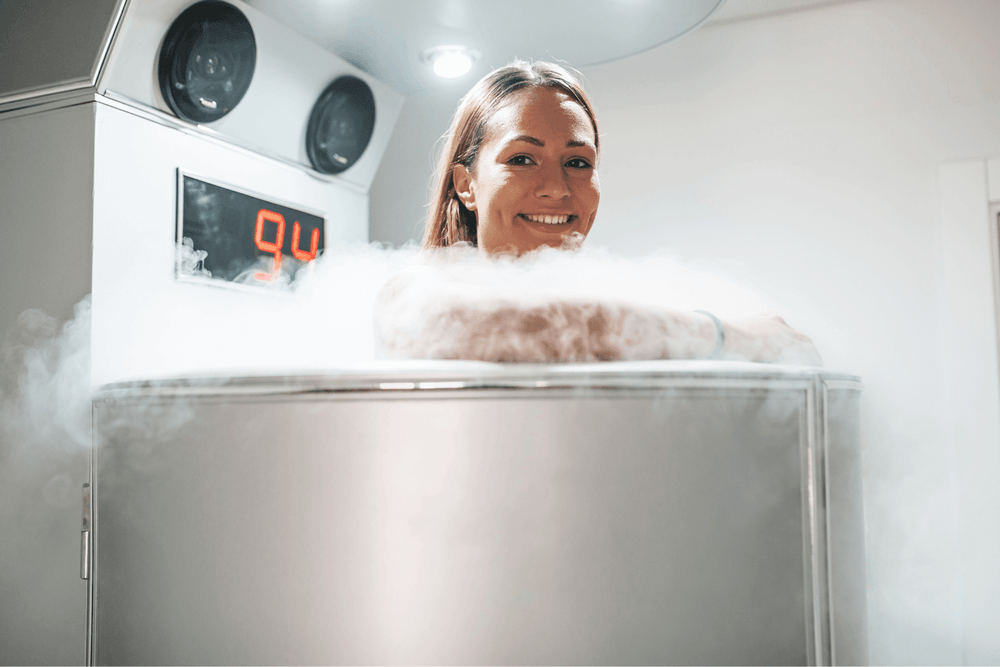
Cryotherapy
- A few minutes of intense cold stimulates blood circulation, reduces inflammation and releases endorphins. It is in line with the traditional hydrotherapeutic practices of naturopathy. Its benefits are known for physical recovery and mood improvement.
The limits and precautions of biohacking
Despite its promises, biohacking sometimes carries risks:
- Over-optimization : Trying to maximize every parameter can, on the contrary, lead to fatigue or counterproductive obsession.
- Individual maladaptation : What works for one person may be ineffective or even harmful for another.
To avoid these pitfalls, it is essential to consult professionals, naturopaths and doctors to develop appropriate and safe plans.
Conclusion: A new vision of health
Biohacking, with its modernized, data-driven approach, represents a modern approach to naturopathy. These two disciplines offer powerful tools to care for yourself, prevent disease and optimize your performance.
By combining science, technology and ancient knowledge, biohacking opens a fascinating path to more conscious and proactive health. However, as with any healthcare approach, balance and personalization remain the keys to a successful practice.
References
- Mattson, M.P., Longo, V.D., & Harvie, M. (2017). “Effects of intermittent fasting on health and disease processes”. Reviews on aging research.
- Patterson, R.E., et al. (2015). “Fasting for health: intermittent fasting and calorie restriction mechanisms and clinical applications”. Journal of the Academy of Nutrition and Dietetics.
- Hamblin, M.R. (2017). “Mechanisms and applications of the anti-inflammatory effects of photobiomodulation”. APL Bioengineering.
- McCraty, R., et al. (2003). “The effects of emotions on short-term power spectrum analysis of heart rate variability”. American Journal of Cardiology.
- Lombardi, G., et al. (2017). “The effectiveness of whole-body cryotherapy on athlete recovery”. International Journal of Exercise Physiology and Performance.