Guide to healthy, glowing skin
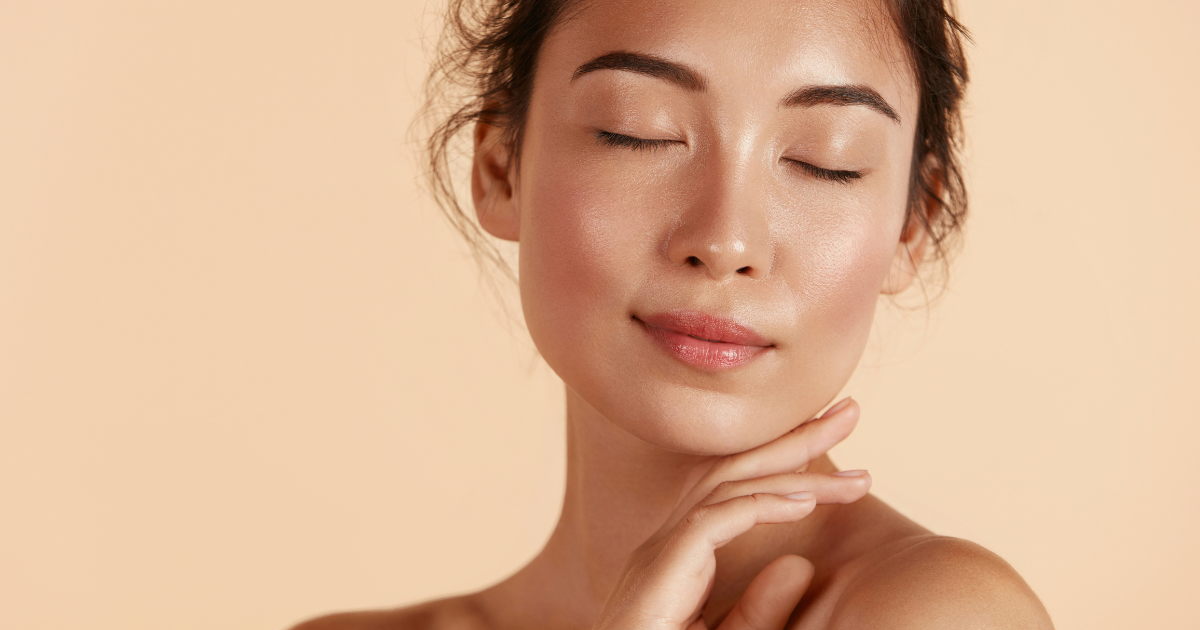
Skin, the largest organ in the human body, plays a critical role in our overall health. It acts as a protective barrier against pathogens, helps regulate body temperature and allows the elimination of toxins through sweat. Therefore, taking care of this precious organ is essential.
In this article, discover effective methods to maintain and improve the health of your skin naturally.
Nutrition: The key to glowing skin
Diet plays a fundamental role in the health and appearance of the skin. What we eat directly influences the structure and function of our skin, providing important nutrients necessary for its regeneration and protection. A diet rich in vitamins, minerals and antioxidants helps fight free radicals, unstable molecules that can cause cell damage and accelerate skin aging. For example, vitamin C is crucial for the production of collagen, a protein that keeps skin firm and elastic, while omega-3 helps maintain skin moisture and suppleness. A balanced, nutrient-rich diet is therefore essential for healthy skin. To do this, rely on:
- fruit and vegetables : Rich in vitamins, minerals and antioxidants, they protect and repair the skin. Berries, citrus fruits, spinach and carrots, which are rich in beta-carotene, are particularly beneficial.
- Lean proteins : They are essential for tissue repair and growth. Include protein sources such as fish, chicken, eggs and legumes in your diet.
- seeds and nuts : Sources of vitamin E, especially Omega-3, help maintain skin suppleness and moisture.
- Hydration : Drink at least 1.5 to 2 liters of water per day to maintain skin moisture and promote the elimination of toxins. Herbal teas such as chamomile, green tea or rooibos, which are rich in antioxidants, are also beneficial.
- Bone broth : Bone broth is rich in amino acids such as glycine and proline, which are essential for collagen synthesis and promotes the repair and regeneration of skin tissue.

Healthy measures for protected skin
In addition to diet, certain actions and lifestyle habits are essential for easy care of your skin.
- Optimal external hydration : Use moisturizers with aloe vera, shea butter or jojoba oil to nourish and protect your skin. Apply after showering to ensure optimal absorption.
- Sun protection : Apply a broad-spectrum sunscreen with a sun protection factor of at least 30 every day, even in winter. Sun protection prevents UV damage and premature skin aging. Remember to reapply every two hours during prolonged sun exposure.
- Enough sleep : Good sleep allows your skin to regenerate. Aim for 7 to 9 hours of sleep per night. Establish a regular sleep schedule and create an environment that promotes restful sleep.
- Good stress management : Chronic stress can affect the health of your skin. Practice relaxation techniques such as meditation, yoga, or deep breathing to reduce stress. Take time to relax and recharge your batteries regularly.
- Limit tobacco and alcohol: These have harmful effects on the skin and accelerate its aging. Smoking reduces blood flow and deprives the skin of oxygen, leading to loss of elasticity and premature wrinkling. Alcohol, on the other hand, dries out the skin and can cause inflammation, increasing the risk of skin conditions such as rosacea.
Dietary supplement for glowing skin
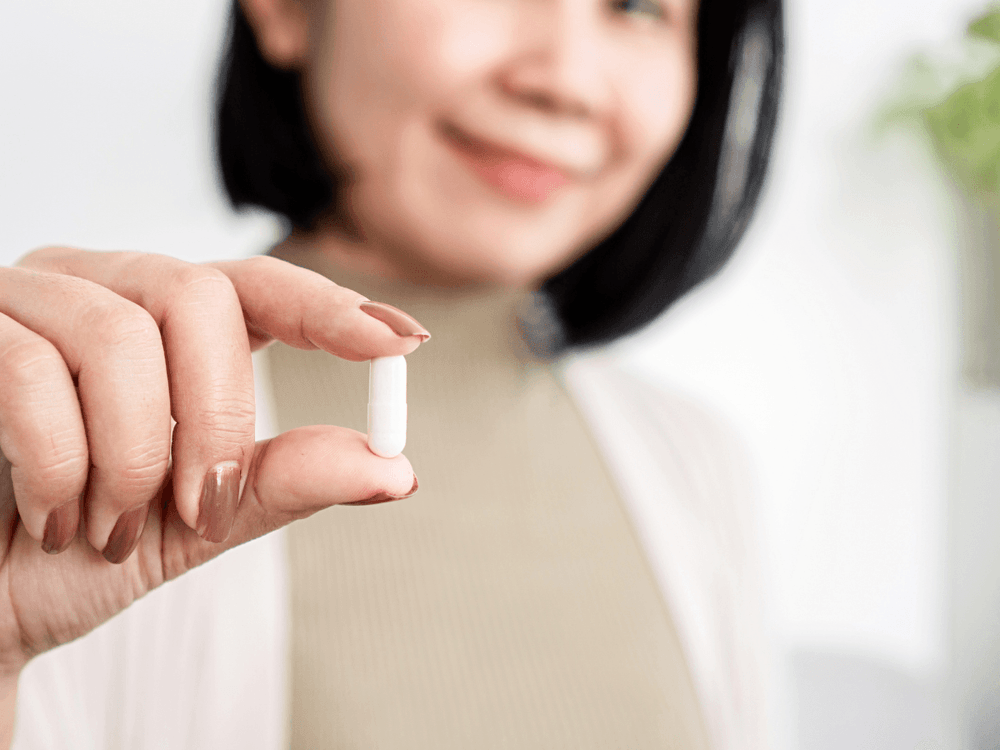
Healthy skin starts from the inside out. If the diet is not sufficient to cover the need for essential nutrients, it may be interesting to resort to nutritional supplements. Here are some supplements known for their skin benefits:
- Omega-3 : Omega-3 fatty acids play a crucial role in skin health. These essential fatty acids moisturize the skin from within and improve its texture and suppleness. They also have anti-inflammatory properties and help reduce inflammation and redness, which is particularly beneficial for people with inflammatory skin conditions such as eczema and psoriasis.
- Vitamin E : Vitamin E is a powerful antioxidant that protects the skin from damage caused by free radicals, those unstable molecules that accelerate skin aging. It prevents wrinkles, fine lines and dark spots by neutralizing these free radicals. In addition, vitamin E promotes cell repair and strengthens the skin barrier, improving skin hydration and resilience.
- Collagen : Collagen is a fundamental structural protein for skin, contributing to its strength, elasticity and resilience. As we age, collagen production decreases, which can lead to wrinkles and sagging skin. Collagen supplementation in the form of peptides or hydrolysates helps stimulate the natural production of this protein and strengthen the skin structure. Studies show that regular intake of collagen can improve skin texture, moisture levels and density, thereby reducing visible signs of aging.
- Le Zinc : Zinc is an essential mineral for tissue repair and cell regeneration. It plays a key role in wound healing and helps control inflammation, which is particularly beneficial for acne-prone skin. Zinc also helps regulate sebum production, thereby reducing breakouts.
- Vitamin C :It is important for the production of collagen. As a powerful antioxidant, it also protects the skin from damage caused by free radicals and UV rays, thereby preventing premature aging. Vitamin C brightens the complexion, reduces age spots and improves the overall texture of the skin.
Before you start taking dietary supplements, consult a doctor to determine the appropriate dosage and avoid interactions with other medications.
Additional natural techniques
- The light peeling: A light exfoliation is an effective way to exfoliate the skin and remove dead cells. For a gentle and moisturizing effect, use natural products such as sugar, sea salt or almond powder or coffee grounds mixed with vegetable oils. Apply the peeling to damp skin, massage it in with circular movements and then rinse it off with lukewarm water. This technique ensures smooth and radiant skin without damaging it.
-
Dry brushing : This technique involves brushing dry skin with a natural bristle brush. This simple gesture has many benefits: it removes dead skin cells and provides softer, more radiant skin. It improves blood circulation and helps nourish skin cells. Finally, it promotes lymphatic drainage, which helps detoxify the body and reduce the appearance of cellulite. To practice dry brushing, start with gentle, gradual movements, working from the extremities (hands and feet) toward the heart. Perform this ritual every morning before showering to maximize its benefits.
-
Steam baths : Facial steam baths open pores and help eliminate impurities. Add herbs like chamomile or lavender to the hot water for a calming and cleansing effect.
-
Clay masks: Clay is known for its cleansing and regenerating properties. Green clay is ideal for oily and acne-prone skin as it absorbs excess oil and impurities. White clay, softer, is suitable for sensitive and dry skin. To make a mask, mix powdered clay with water or rose water until it forms a smooth paste. Apply the mask to the face, leave it on for 10 to 15 minutes without letting it dry, then rinse with lukewarm water.
- Essential oils : Certain essential oils such as lavender, tea tree and frankincense or rose geranium have antibacterial, anti-inflammatory, strengthening and anti-aging properties. Test on the crook of your elbow before full use and dilute in a carrier oil such as jojoba oil or sweet almond oil before applying to skin.

Find all natural advice, hints and precautions for using plants, essential oils, supplements and natural techniques directly on Natflow!