

a simple tool for lasting health
Heart coherence is a guided breathing exercise that is becoming increasingly popular in the area of natural health and stress management. Simple, accessible and scientifically validated, it offers significant mind and body benefits. This article explores what cardiac coherence is, its mechanisms, and its health implications.
What is cardiac coherence?
Cardiac coherence is a breathing technique that aims to synchronize heart rate with breathing. Popularized by Dr. David Servan-Schreiber in his work HealIt is based on slow and regular breathing, generally practiced at a frequency of five breaths per minute (inhale for 5 seconds and exhale for 5 seconds).
When the heart rhythm becomes “coherent,” meaning that the fluctuations between heartbeats follow a regular pattern, it has a positive effect on several systems of the body: nervous, endocrine and immune systems.
How does cardiac coherence work?
The heart and brain constantly communicate through the autonomic nervous system, which includes two main branches:
- The sympathetic systemthat mobilizes energy in situations of stress or activity (the famous “fight or flight” response).
- The parasympathetic systemthat promotes relaxation, digestion and recovery.
Cardiac coherence stimulates the parasympathetic nervous system while regulating sympathetic activity. In addition, this practice balances the autonomic nervous system and reduces the production of cortisol, the stress hormone. It also acts on the vagus nerve, a key element in regulating inflammation and digestive functions.
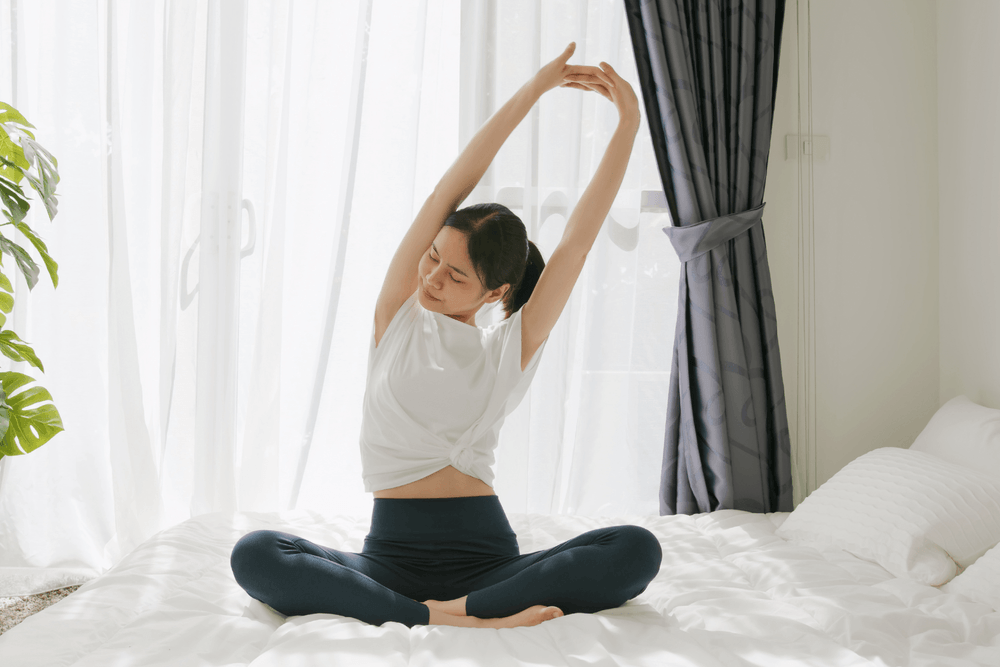
The benefits of cardiac coherence
Improved stress management: Studies show that cardiac coherence significantly reduces cortisol levels and thus contributes to better stress management. Regular practice provides a feeling of calm and improves resilience in the face of daily challenges.
Emotion regulation: Cardiac coherence helps stabilize emotions by promoting a state of physiological balance. This emotional regulation is particularly beneficial for people who suffer from anxiety or mood disorders.
Supporting Cardiovascular Health: By regulating heart rate and blood pressure, cardiac coherence plays a preventative role against cardiovascular disease. It also improves heart rate variability (HRV), a key indicator of heart health and overall well-being.
Strengthening the immune system: Regular exercise stimulates the immune system by reducing the effects of chronic stress on the body. It can also reduce inflammatory markers, helping to provide better protection against disease.
Improved concentration and cognitive performance: By balancing brain functions, cardiac coherence improves mental clarity, concentration and decision-making ability. It is particularly appreciated by working professionals and students in times of high intellectual demand.
How do you practice heart coherence?
Practicing cardiac coherence is easy and requires no special equipment. Here are the basic steps:
- Make yourself comfortable in a quiet place. You can sit or stand with your back straight.
- Set a timer for 5 minutesthe default duration of a session.
- Breathe deeply and slowly : Breathe in through your nose for 5 seconds and then breathe out through your mouth for 5 seconds.
- Repeat the cycle for the duration of the session.
For optimal effect, it is recommended to practice three times a day (morning, lunch, evening). Find ours videos Heart coherence to help you practice. The device Zenspire can also support you in this practice
When and why do you incorporate heart coherence into your daily life?
Cardiac coherence is particularly useful in the following situations:
- Before a stressful situation (exam, job interview, public speaking).
- To calm the mind after a busy day.
- In addition to other wellness practices such as yoga, meditation or sophrology.
- In a therapeutic environment to treat disorders such as insomnia, high blood pressure or migraines.
Cardiac coherence is accessible to everyone and is a powerful tool for improving physical and mental health. By regulating internal rhythms, you can achieve a state of beneficial balance in the short and long term. It can be easily integrated into daily life and is a valuable resource for those who want to live a calmer and more balanced life.
Try cardiac coherence today and see the lasting benefits for yourself.

Scientific references:
- McCraty R, Atkinson M, Tomasino D, Bradley RT (2009). The coherent heart: Heart-brain interactions, psychophysiological coherence, and the emergence of system-wide order. Integral verification5(2), 10-115.
- Teacher PM, Gevirtz R. (2014). Heart rate variability biofeedback: how and why does it work? Limits in psychology5, 756.
- Thayer JF, Åhs F, Fredrikson M, Sollers JJ, Wager TD (2012). A meta-analysis of heart rate variability and neuroimaging studies: Implications for heart rate variability as a marker of stress and health. Neuroscience and Biobehavioral Reviews36(2), 747-756.