
Causes, mechanisms, effects and natural solutions
Inflammation is an essential response of the immune system to protect the body from external attacks such as infections or injuries. However, if it becomes chronic and the intensity remains low, it can affect the overall balance of the body. This often invisible form of inflammation is calledsilent inflammation or mild inflammation. It can go unnoticed for years, but its role in many chronic diseases is now recognized.
In this article we will examine in depth this phenomenon, its causes, its effects on health and natural solutions to prevent or alleviate it.
What is silent inflammation?
The basics of inflammation
Inflammation is the body’s natural response to an attack, whether external in origin (infection, injury) or internal in origin (toxins, damaged cells). It can be acute, with visible symptoms (redness, pain, heat, swelling) or chronicif it persists in the long term without triggering clear manifestations.
Mechanisms of silent inflammation
Silent inflammation is based on continuous and moderate activation of the immune system. This leads to increased production of proinflammatory cytokinessuch as TNF-α (tumor necrosis factor alpha) or IL-6 (interleukin-6). Cytokines are signaling molecules produced by immune cells. They act as chemical messengers to coordinate inflammatory reactions. If their production becomes excessive or continues, they can damage healthy tissue.
On the biological analysis side C-reactive protein (CRP) is a blood marker that reflects the degree of systemic inflammation. A slightly elevated CRP level is often a sign of mild inflammation.
These mechanisms are accompanied by a oxidative stressi.e. an imbalance between the production of free radicals and the body’s antioxidant capacity, leading to cell damage.
Causes of mild inflammation
A Pro-Inflammatory Diet: Refined sugar and trans fatty acids stimulate the production of pro-inflammatory cytokines. They are found in processed foods and promote inflammation and oxidative stress.
Excess fatty tissue: Visceral fat (located around organs) produces molecules called inflammatory compounds Adipokineswhich contributes to the inflammatory state.
Chronic stress: Stress stimulates the release of cortisol, which in the long term can disrupt the regulation of inflammation and worsen immune system imbalances.
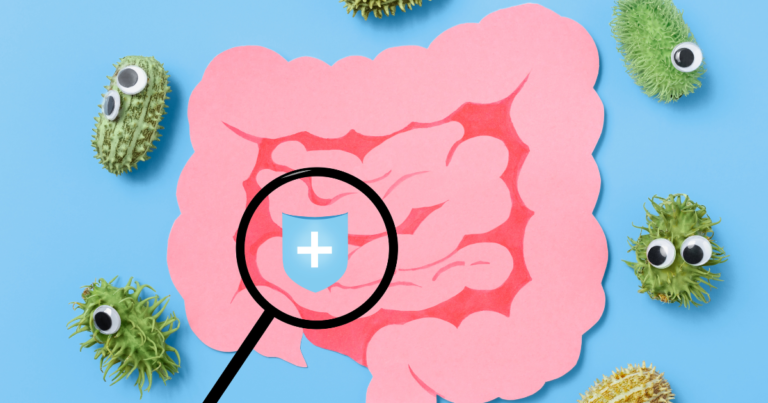
Intestinal dysbiosis: An imbalance in the gut microbiota (all the bacteria present in the gut) can lead to increased permeability of the intestinal wall. This allows inflammatory substances to enter the bloodstream.
Environmental toxins: Pollution, pesticides and chemicals disrupt cell functions and can trigger inflammatory reactions.
Health effects
Although silent, this inflammation plays a key role in several chronic diseases:
- Cardiovascular diseases : Inflammation contributes to the formation of plaques in the arteries (atherosclerosis) and increases the risk of a heart attack or stroke.
- Metabolic syndrome and diabetes : Inflammation impairs the sensitivity of cells to insulin and promotes type 2 diabetes.
- Cognitive disorders : It is involved in neurodegenerative diseases such as Alzheimer’s by disrupting brain functions.
- Chronic pain : Inflammatory reactions in the joints or muscles worsen persistent pain. An example of this can be fibromyalgia.

The importance of a healthy lifestyle to reduce silent inflammation
A balanced lifestyle is a fundamental pillar in preventing and reducing this low-grade inflammation. The choices we make every day regarding diet, stress management and physical activity have a direct impact on the inflammatory processes in our bodies.
Anti-inflammatory diet
A healthy, varied diet can significantly reduce inflammatory markers. It is advisable to favor foods rich in antioxidants, such as colorful fruits and vegetables (berries, spinach, broccoli), which neutralize the free radicals responsible for oxidative stress. Omega-3 fatty acids, found in small fatty fish (anchovies, sardines, mackerel), flaxseeds and walnuts, are particularly effective at modulating the production of pro-inflammatory cytokines. Conversely, limit highly processed foods high in refined sugars, saturated fats, and trans fats, which worsen inflammation by stimulating the production of inflammatory mediators.
Certain spices such as turmeric and ginger have shown significant anti-inflammatory effects through their ability to inhibit pro-inflammatory molecules such as TNF-α and IL-6. Finally, good hydration through consumption of water and herbal teas rich in polyphenols (green tea, chamomile) also helps maintain a healthy cellular balance.
Stress management
Chronic stress is a major trigger of silent inflammation. In response to prolonged stress, the body releases cortisol, a hormone that is anti-inflammatory in the short term, but promotes inflammation in the long term if released in excess. Practices like meditation, heart coherence, yoga, or even nature walks help reduce stress by calming the nervous system. These techniques activate the parasympathetic system, promoting a reduction in systemic inflammatory activity.
Regular physical activity
Moderate exercise is a powerful anti-inflammatory. It stimulates the release of anti-inflammatory molecules such as myokines produced by muscles during exercise. Regular activities such as brisk walking, cycling, or swimming also improve insulin sensitivity and reduce visceral fat, a major source of pro-inflammatory cytokines. However, it is important to avoid prolonged intense exercise as it can lead to a temporary increase in inflammation and oxidative stress.
The importance of a restful sleep
Insufficient or poor sleep disrupts the biological processes that regulate inflammation. Deep sleep phases, especially REM sleep, are important for restoring the balance of the immune and hormonal systems. Good sleep lowers levels of pro-inflammatory cytokines and regulates cortisol production. To optimize your sleep, it is advisable to establish a regular sleep schedule, limit screen exposure in the evening and maintain a dark, quiet and cool room (18-19°C).
Through a comprehensive lifestyle that includes appropriate nutrition, active stress management, moderate physical activity and good sleep, it is possible to effectively reduce silent inflammation. Far from being anecdotal, these changes work synergistically to maintain optimal health and prevent the onset of many chronic diseases.
Natural solutions to control silent inflammation
Omega-3: Omega-3 fatty acids are found in food, but if intake is not enough, supplementation may be considered. There recommended dose is then 1 to 3 g EPA and DHA together per day.
Probiotics: Varieties like Lactobacillus rhamnosus or Bifidobacterium longum Improve microbiota balance and reduce systemic inflammation. They can be consumed in the form of a dietary supplement or through fermented foods (kefir, natural yogurt).
Medicinal plants: Certain plants are known to have anti-inflammatory effects. We find that Bromelainwhich is extracted from pineapple, helps reduce joint inflammation or even Boswellia serratais used in Ayurvedic medicine for joint pain.
Essential oils: EOsFrankincense (Boswellia) or wintergreen are known for their anti-inflammatory properties. They can be used locally or by inhalation.
Silent inflammation is a silent but powerful enemy of our health. Through a proactive approach that includes dietary changes, scientifically validated supplements and natural practices, it is possible to reduce this inflammatory state and prevent chronic disease. This integrative approach is essential to maintaining a lasting balance between body and mind.

Scientific references
- Calder, P.C. (2018). “Omega-3 fatty acids and inflammatory processes: From molecules to humans”. Journal of Clinical Nutrition.
- Aggarwal, BB, & Harikumar, KB (2009). “Potential therapeutic effects of curcumin, the anti-inflammatory agent”. Advances in Pharmacological Sciences.
- Hotamisligil, G.S. (2006). “Inflammation and metabolic disorders”. Nature444(7121), 860-867.
- Coussens, L.M., & Werb, Z. (2002). “Inflammation and cancer”. Nature420(6917), 860-867.
- Hill, C. et al. (2021). “Probiotics and inflammation: mechanisms of action”. Gut microbes.