
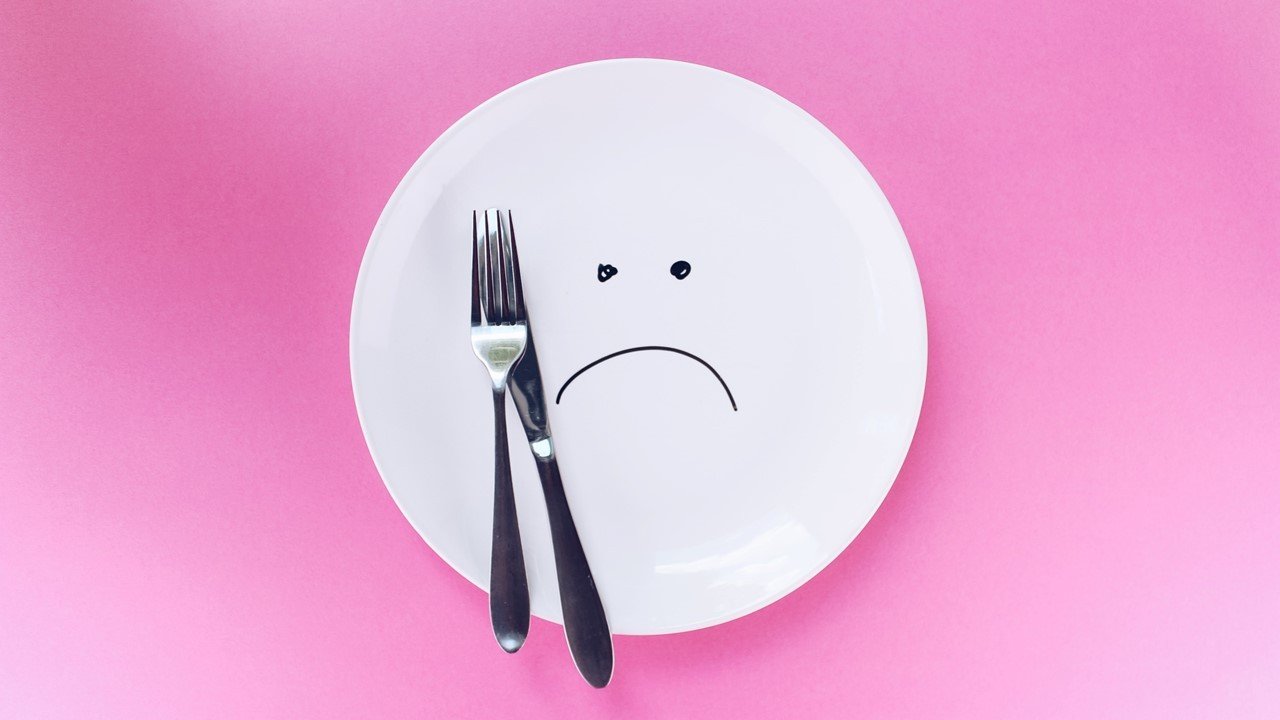
Heart nutrition Diets, a danger to the heart
Being thin does not protect against cardiovascular disease. Coronary artery disease can occur in people of all body shapes. For this reason, it is important to reduce all risk factors (high blood pressure, high cholesterol, etc.) to limit the risk of heart disease. Of course, being overweight is one of these factors, but should we go on a diet? Before starting a weight loss diet, certain points should be taken into account.
Apple or pear?
First, check your waist circumference, as it is a much better indicator of risk than body mass index (BMI) (see “Don’t let your belly grow”). Obesity in the abdominal area is associated with a significantly increased risk of heart attack in men and women 1. Waist circumference is directly linked to insulin resistance and chronic low-grade inflammation, which increase the risk of heart disease, metabolic syndrome and diabetes and promote plaque buildup in the arteries. Increased waist circumference is also associated with high blood pressure and high cholesterol, which are risk factors for heart attacks and strokes.
If you want to lose weight, you should beware of restrictive diets, which often cause a yo-yo effect. Losing weight and then gaining it back is not good for heart health. A study examined the effects of weight fluctuations in people with coronary heart disease. People with the greatest weight fluctuations had an 85% higher risk of cardiovascular events, a 124% higher risk of death, a 117% higher risk of a heart attack and a 136% higher risk of stroke than people with the smallest body weight fluctuations 2. One proposed hypothesis is that weight gain during relapse may accelerate the growth of adipose tissue due to metabolic changes, thereby promoting fat storage and inflammation. 3.
Keto diet, Paleo or Abura method: the solution?

Ketogenic diets
These high-fat, low-carb diets are very popular, such as the Paleo diet, the keto diet or, more recently, the Abura method. Their few positive effects on cardiovascular risk factors are controversial and limited in time. There are some side effects, such as the risk of developing non-alcoholic fatty liver disease or insulin resistance. 4.
Long-term adherence to the Paleo diet has also been shown to lead to altered intestinal flora, which promotes heart disease. The Paleo diet, or a diet based on the same principles, is rich in carnitine, which intestinal bacteria feed on and produce trimethylamine N-oxide (TMAO) (see red meat or white meat). The Paleo diet primarily increases TMAO production in the gut. The higher the level of TMAO in your body, the faster atherosclerosis increases and plaque forms in your blood vessels.5. Atherosclerosis is the main cause of heart attacks. A diet that promotes TMAO production and eliminates major food groups like legumes and whole grains is not a good choice for your gut or heart health.
Instead of aiming for short-term weight loss with quick fixes, optimize your diet long-term with the help of a nutritionist to prevent heart attacks. Implementation and lifelong sustainability is a key factor in the prevention of cardiovascular disease.
References
- www.ahajournals.org/doi/full/10.1161/jaha.117.008507
- www.nejm.org/doi/full/10.1056/NEJMoa1606148
- www.ncbi.nlm.nih.gov/pmc/articles/PMC4241770/
- www.revmed.ch/RMS/2017/RMS-N-565/Dietes-cetogenes-la-solution-miracle
- link.springer.com/article/10.1007/s00394-019-02036-y
Photo by Thought Catalog + Liam Johnson on Unsplash