Heavy metal poisoning – symptoms and causes
According to the ESTEBAN study, almost all French people are exposed to these substances. Let’s take a look Causes and symptoms of heavy metal poisoning.
Causes
There are several factors that favor the accumulation of toxic substances:
- Metabolism: immune, digestive or kidney disorders, aging;
- Environment: UV, chemicals, radiation, pollution;
- Food: oxidizing diet, lack of antioxidants, water, etc.
- behavioral: stress, sleep, failure to adhere to rest periods, intensive sport, etc.
Metabolic factors
A Heavy metal poisoning can be caused by Metabolic factors. Their regulation and elimination is not optimal for the following reasons:
- Aging: Biological reactions occur less efficiently;
- Heredity: lymphatic and nervous factors, individual genetic sensitivity and detoxification capabilities of the body;
- infections;
- Digestive insufficiency: Digestive enzymes help limit free radicals from food;
- insufficient renal excretion: The kidney is a filter that cleanses the body of used and oxidized molecules.
Environmental factors
Therefore, nowadays it is impossible not to be exposed to these substances and thus easily avoid heavy metal poisoning. It just depends on how much and how often.
Air
- exhaust
- Air emissions from industrial processes
- Burning oil, coal
- Vapors from household and industrial waste incinerators
Sol
- Chemical compounds for crops: pesticides, fertilizers, etc.
- Household waste with metal compounds: landfills, used batteries, lead from rifle cartridges, etc.
- Sludge from sewage treatment plants spreads across fields
Ew
- Chemical compounds from agriculture
- Chemical compounds from domestic life: medicines, cleaning products (dishwashing detergents, laundry detergents, air fresheners, toilet gel, etc.)
Nutritional factors
Food is an important supplier of all kinds of chemicals.
Industrial power supply
Processed foods are generally full of heavy metals and can be a source of poisoning:
- With the products used: pesticides, fertilizers, etc.
- With its share of chemicals (aluminum for bleaching, food packaging, etc.).
Daily diet
Certain foods contain it in abundance:
- Bread and wheat (cadmium, lead, aluminum)
- Coffee (inorganic arsenic copper, acrylamide) and tea (aluminum, arsenic, cadmium)
- Riz (arsenic)
- Vegetables (copper from Bordeaux blend for organic vegetables)
- Fish (arsenic, chromium, cadmium and mercury)
- Wine (approx. ten different ones)
- …
Ew
Drinking water is treated with strong oxidizing agents such as chlorine or ozone (which is normal; their purpose is antibacterial). It often contains aluminum. In addition, it contains traces of pollutants (nitrates, pesticides, antibiotics, etc.).
Behaviors
Lifestyle influences the accumulation of heavy metals in the body:
- Sedentary lifestyle. The activity promotes blood circulation, cell exchange and detoxification of the body.
- Failure to observe rest phases: phases of inactivity, no relaxation, little or less restful sleep. These periods are favorable for cleansing and rebuilding the body.
- Stress and overwork. Stress promotes a state of alertness in the body, an increase in energy production and immune modifications (defensive response to attacks) that promote the production of free radicals.
Other factors
Amalgam fillings, tobacco and cosmetics should not be neglected.
Dentistry
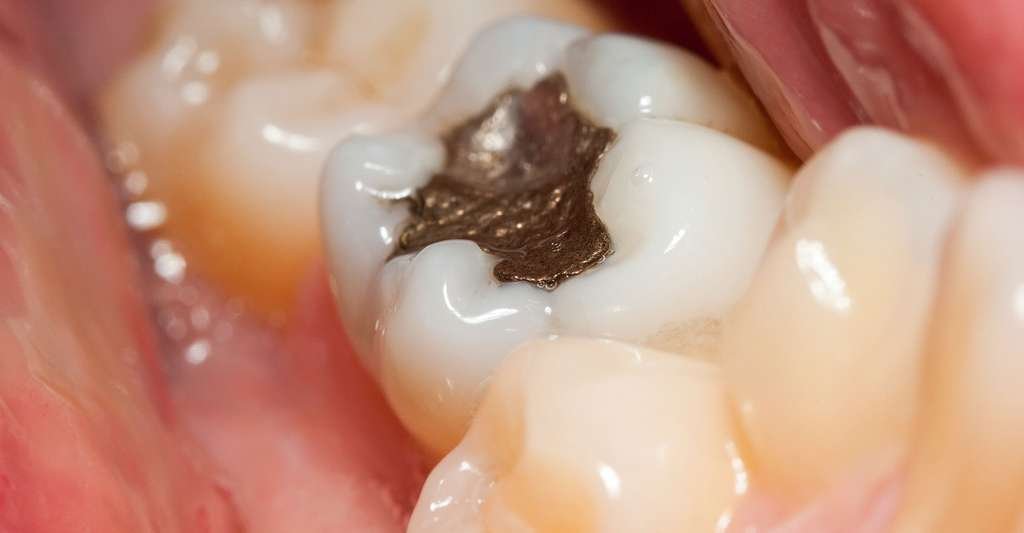
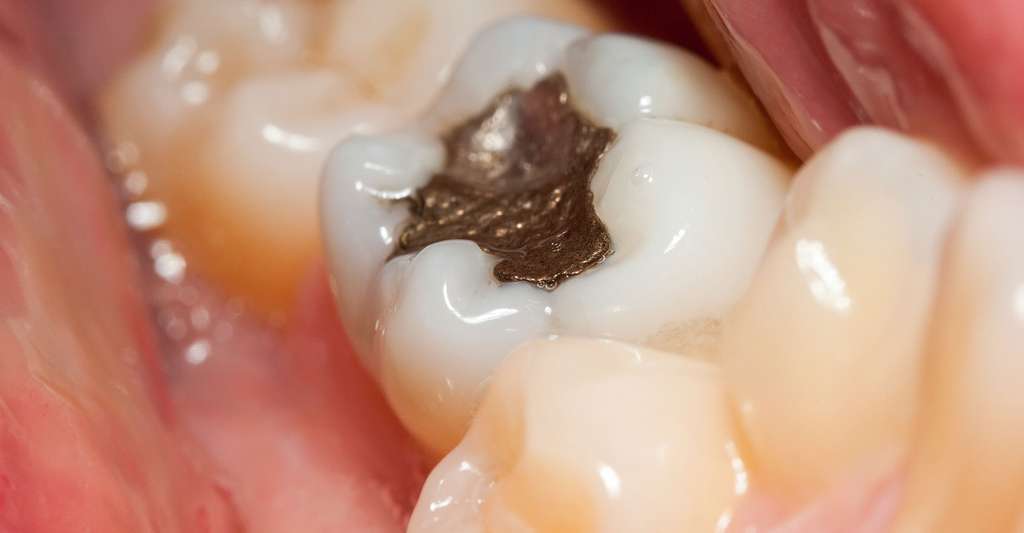
Heavy metal poisoning can also occur from dental amalgam. Containing dental amalgams Mercure and from Money. They can enter the bloodstream directly through the gums and mercury vapors.
tobacco
There are many toxic substances in tobacco (combustion) and filters, especially copper and cadmium.
cosmetics
Cosmetics often contain several: titanium, aluminum and others.
Health effects
Thousands of chemical processes are taking place in the body at any given time. The presence, as well as poisoning, of heavy metals significantly disrupts the biochemical balance of these processes and leads to the destruction of cells.
- They can replace enzymes and minerals that contribute to the body’s natural biochemical reactions. If they do not play the same role, the body’s physiology cannot function properly.
- They have a strong oxidizing effect and produce free radicals. As a result, they destroy healthy cells, denature DNA, reduce cell exchange, block the body’s cleansing and prevent energy production.
- The lipid-rich nerve cells are particularly sensitive. They are poisons for the nervous system.
- Infections multiply where they are concentrated.
- It has been proven that they are cofactors in the development of tumors.
- They have an antibiotic effect (e.g. mercurochrome principle or certain vaccines) that increases the resistance of bacteria.
Symptoms of heavy metal poisoning in the body
Warning signs
The first signs of poisoning are:
- Chronic fatigue that increases over time
- Headache
- Allergies
- Recurrent infections: tonsillitis, mycoses, herpes, candidiasis, mouth ulcers
- Digestion: disturbed transit, abdominal pain, hypoglycemia, weight gain
- Muscular: Tense back, cramps, tremors
- Skin: Eczema
- Nervous balance: night sweats, cold feet and hands
- Difficulty falling asleep
- Emotional disorders: mood swings, anxiety, depression, irritability, nervousness
- Mental disorders: memory, concentration
More serious diseases of chronic form
Chronic poisoning can lead to several well-known problems:
- Great tiredness
- dizziness
- Persistent fever
- Recurrent infections: tonsillitis, mycoses, herpes, candidiasis, mouth ulcers, mycoses
- Muscular: Tingling, numbness, tremors, tics, tetany, fibromyalgia, coordination problems
- Joint: pain
- Nervous system: multiple sclerosis, neuralgia, Parkinson’s, Alzheimer’s
- Mental disorders: memory, concentration
- Digestive system: diabetes, cholesterol, abdominal pain, stomach aches and pains
- Vision: Cataract, AMD, Photophobia
- Hearing: tinnitus, hyperacusis
- Sensitivity to electromagnetic fields: cell phones, WiFi, power lines
- Hair loss
- Heart diseases: arrhythmia, hypertension, atherosclerotic plaques
- Fertility: abortion, deformed child
- Cancer: lymphoma, liver, brain
- Autoimmune diseases
- Thyroid diseases: hyperthyroidism/hypothyroidism