How do you recognize it and what solutions are there?
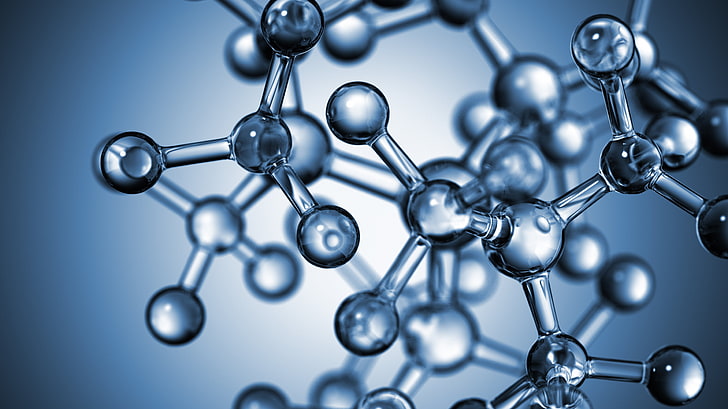
As a neurotransmitter, it acts like a hormone. Its effect lies in particular at the level of mood regulation, sleep a you Eating behavior. A Serotonin deficiency therefore leads to various physical and psychological disorders. Therefore, it is important to promote its production through the natural supply of amino acids and cofactors involved in its synthesis.
Synthesis of this neurotransmitter: how does our body produce it?
Its precursor is an amino acid called Tryptophan. This is part of the composition of dietary proteins and is therefore found in multiple animal and plant sources.
The phases of its synthesis
It is found in the intestines, nervous system and platelets. It arises from the metabolism of tryptophan. In neurons, the amino acid is first converted into 5-hydroxytryptophan (5-HTP) under the influence of an enzyme called tryptophan hydroxylase. 5-HTP is then converted into serotonin.
Enzymatic synthesis and its conversion require the presence of several elements, including oxygen and a metal (iron or copper). In addition to these trace elements, other cofactors are involved in its production and reuptake, including magnesium, vitamin C and vitamin B6.
Link to melatonin
It is converted into melatonin at night, knowing that the synthesis of melatonin is favored by darkness. Therefore, it is commonly referred to as the happiness hormone and is a precursor to melatonin, which is known as the sleep hormone. Over the course of the day, melatonin is converted into serotonin. Note that melatonin also comes from tryptophan, which is therefore an essential amino acid for our well-being, our mood and our sleep. Several cofactors are involved in the synthesis of melatonin, including methionine, an essential amino acid, and vitamins B6 and B9.
Physical symptoms of serotonin deficiency
It has a complex effect that extends to our entire body. Therefore, a deficiency leads to various symptoms associated with the different organs of our body.
The digestive system : 95% of this neurotransmitter is located in the intestines. A lack of serotonin disrupts the entire system by affecting gastrointestinal motility. This leads to constipation or diarrhea, vomiting, dyspepsia or even irritable bowel syndrome.
The musculoskeletal system : It is also important for bone and muscle health. A deficiency can lead to back pain, tingling, dizziness or dizziness, but also to osteoarthritis and muscle tension.
The kidneys : Serotonin deficiency can lead to frequent urination.
The heart : A deficient person may suffer from hypertension and tachycardia.
nerves and senses : It can be the cause of:
- disorders of the sense of smell;
- Blurred vision;
- headaches and ringing in the ears;
- Tremble;
- Cold or sweaty hands;
- lump in throat;
- A feeling of suffocation.
Sexual and gynecological problems : Sexual disorders may occur in men, especially premature ejaculation. The woman may suffer from heavy menstrual bleeding and more severe premenstrual syndrome.
Sleep : Due to its close association with melatonin, a lack of serotonin leads to sleep cycle disruptions. The deficient person has difficulty falling asleep, may suffer from insomnia, experience nighttime or premature waking, and lack restful sleep.
Eat : It plays an important role in regulating appetite. A deficiency manifests itself through impulsive needs with a rush for salty foods, cravings for sweets or uncontrollable food cravings. All of this subsequently leads to weight gain.
Psychological symptoms
Due to its crucial role in mood, it is important for mental and psychological balance.
A lack of serotonin leads to many depressive symptoms:
- Seasonal depression, often aggressive;
- Withdrawal into oneself, leading to unhealthy shyness, inability to approach the outside world and others, and avoidance of society;
- Lack of joy, lack of enthusiasm in all activities, including work and leisure;
- Fear, anxiety and paranoia.
In addition, it is also the hormone of perspective taking and reducing this neurotransmitter in the body can cause:
- Impulsiveness;
- Disinhibition of reflexive behavioral control: The individual tends to satisfy his impulses regardless of the consequences;
- The separation between body and mind;
- addiction to alcohol and drugs;
- Hypersensitivity and hypervigilance, leading to mood swings, aggression, impatience and irritability.
Finally, a lack of serotonin means a decline in intellectual abilities, leading to confusion, memory loss and difficulty concentrating.
The causes
Since we know that it consists of tryptophan, a deficiency can only occur after one Lack of tryptophan.
But problems in neurotransmitter metabolism can also lead to deficiency symptoms. So that’s ittoo little magnesium and vitamin B3 in the body its level will decrease, since these elements represent essential cofactors in its synthesis.
L’excess quick sugar in food, its concentration in the body also decreases, as this type of nutrition leads to imbalances. In fact, sugar is involved in the metabolism of tryptophan and accelerates its availability in the blood, leading to spikes in serotonin followed by sudden drops. In other words, it transforms quickly and disappears just as quickly.
And Imbalance of intestinal flora can also be the cause of serotonin deficiency, since this hormone is mainly present and produced in this digestive tract.
After all, that’s it stressthat causes the production of cortisol also affects its levels in the body. In fact, these two hormones compete in the brain: more stress means more cortisol.
In some cases, the individual does not suffer from a deficiency as such, but rather from difficulties in its application. The hormone is present in his body but cannot bind to postsynaptic receptors. This situation may be due to too much high rigidity of the synaptic membraneswhich itself is caused by a reduced intake of essential fatty acidsespecially thoseOmega-3 (EPA and DHA). For this reason, Omega-3 is important in the fight against mood disorders and depressive states, as it promotes its reuptake at the neuronal level.
presence in food
To naturally compensate for a serotonin deficiency, we recommend a diet rich in precursors and cofactors that promote the production of serotonin.
Foods rich in tryptophanS
There are currently no official recommendations for daily tryptophan intake. However, the French Food Safety Authority (AFSSA) estimates that 220 mg per day can meet nutrient requirements.
Some foods are very high in tryptophan, containing at least 600 mg of the amino acid per 100 g serving. These are:
- fried chicken;
- Sesame;
- The split pea;
- Cod;
- Dried smell.
Tryptophan is also found in good quantities in:
- Multiple animal protein sources: beef, poultry, rabbit, egg;
- Fish: especially tuna and lobster;
- Legumes: red beans, lentils;
- Certain grains: oat bran, whole wheat and rice;
- Oilseeds: walnuts, almonds, cashews;
- Dairy products, especially cheese (Parmesan, Gouda).
In general, a high-protein breakfast encourages protein production, which occurs in the afternoon.
Foods rich in cofactors
Several vitamins and trace elements are involved in its synthesis.
magnesium
The foods with the highest magnesium content are sardines in olive oil, almonds, spinach, dark chocolate (70%), wheat germ and cashews. It is also found in certain whole grains (buckwheat, red rice), bananas, and green vegetables.
Vitamin B6
Vitamin B6 is found primarily in animal sources, including turkey, tuna and liver. It is also found in interesting amounts in potatoes (unpeeled and oven-roasted), chickpeas, sesame seeds, plums and shiitake mushrooms.
Probiotics
These microorganisms, which are essential for regulating the intestinal flora, are mainly found in fermented foods: dairy products (yoghurt, kefir, cheese), fermented soy (miso, tempeh), lactic-fermented vegetables and fruits (sauerkraut, fruit kefir) and activated brewer’s yeast.
iron and copper
These trace elements are mainly found in offal (especially liver), seafood (oysters, lobster) and lentils. Iron is also contained in good amounts in meat and cocoa. Copper is also found in nuts, certain nuts and legumes, and to a lesser extent white mushrooms and artichokes.
Consumption of sugar
Carbohydrates promote the absorption of tryptophan, but fast sugars accelerate its availability and breakdown. Therefore it is necessary Avoid sweets and other sodas to avoid an unfortunate imbalance. It’s better Reach for complex carbohydrates such as whole grains and legumes. They ensure slower absorption of tryptophan and better production of serotonin over time.