Know how to use essential oil on skin
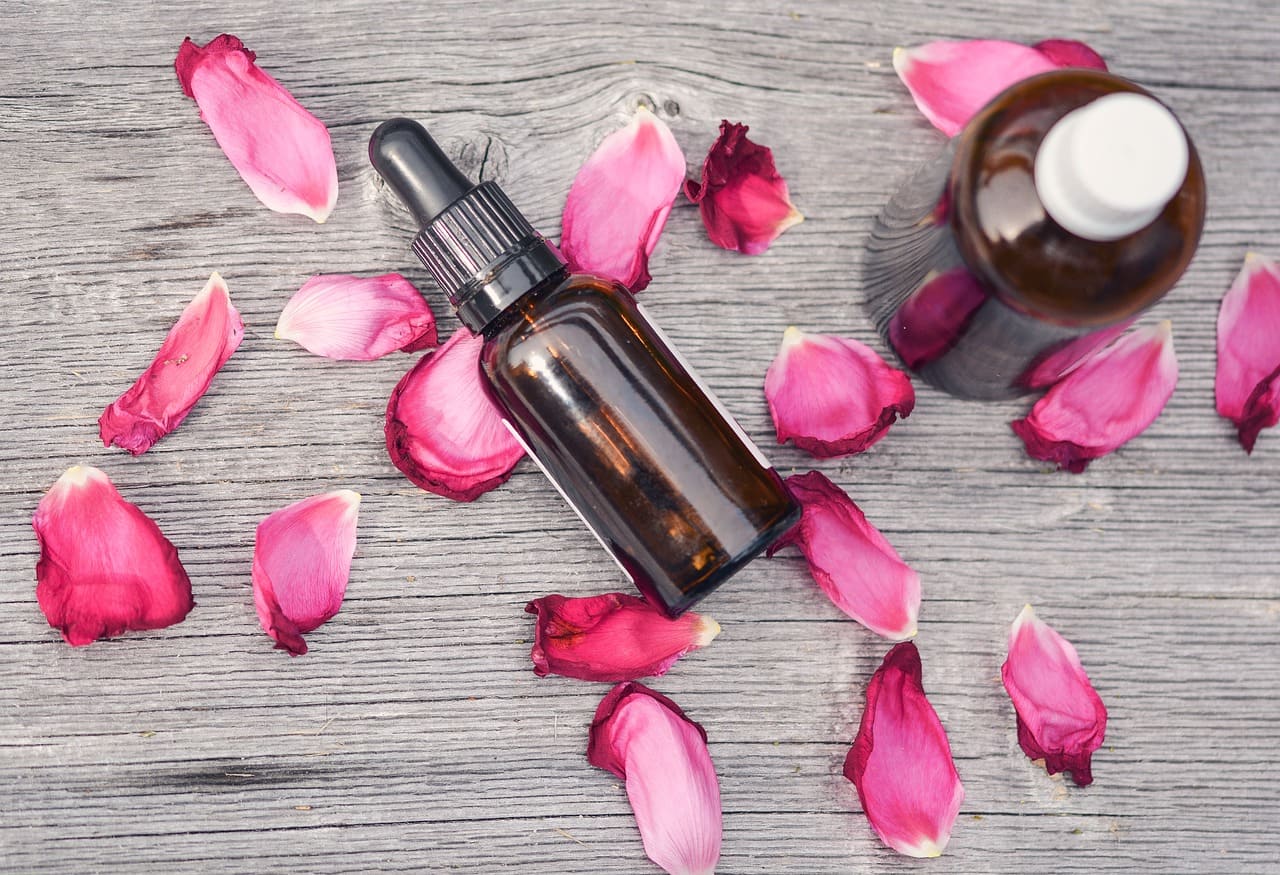
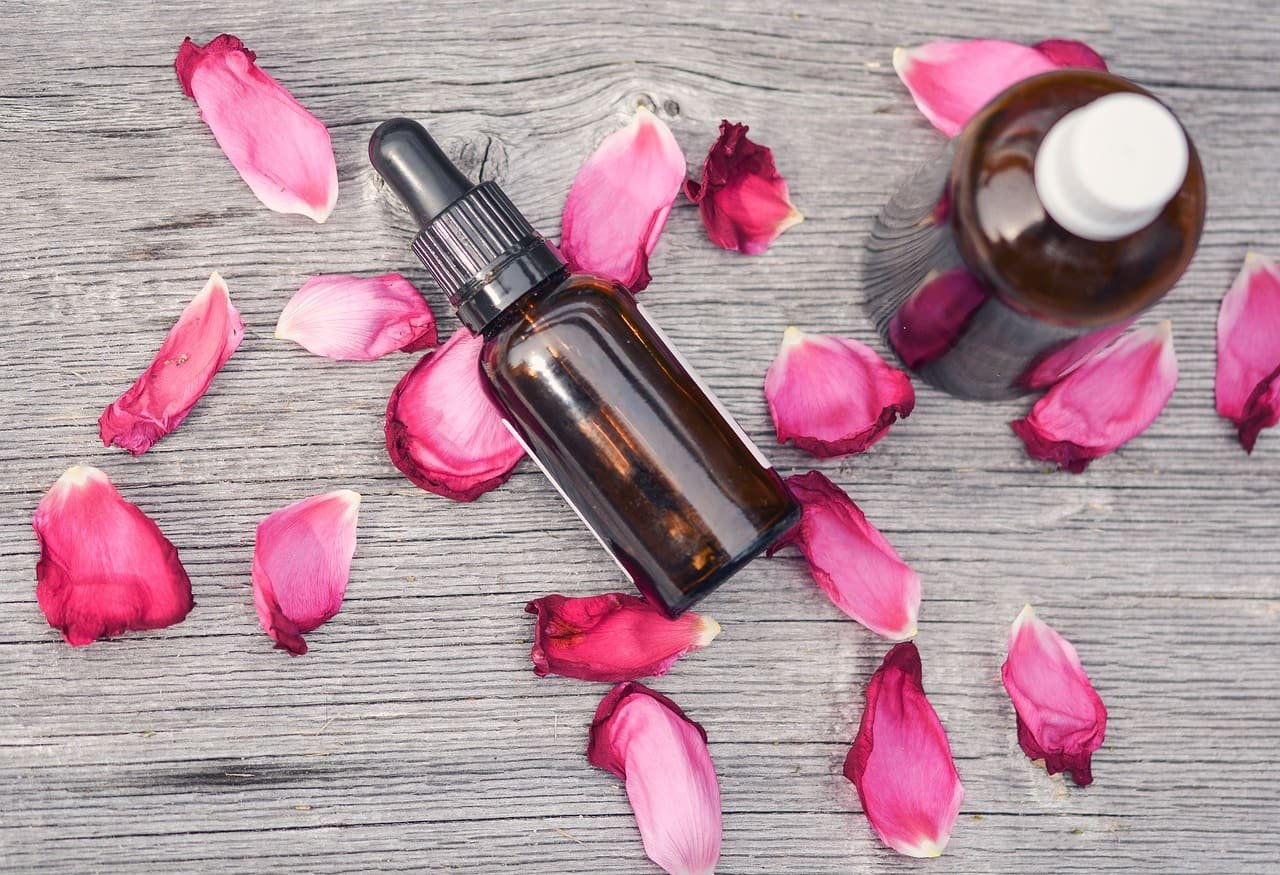
It can be used in many ways: diffusing, inhaling, ingesting, or applying to the skin. The latter method is the most popular due to its ease of use. However, because there is a risk of irritation or burns, precautions must be taken. Follow our advice for safe and effective use of essential oils on the skin.
How can one benefit from the health effects of using it on the skin?
This is the preferred method in aromatherapy. Used pure or diluted, the effect occurs much faster and at the same time guarantees lower risk. As with any product, great care must be taken when using it.
Depending on the illness or pain being treated and the type of essential oil, you can apply it to the skin in different ways:
- In Direct application (pure drops), for dermocosmetic problems, headaches or bronchitis.
- In massagethis method is preferred for muscle and joint tension.
- In Bath waterit is added to a soluble base for relaxation.
- In cosmetic products and preparationsMix it with a hair mask, a dab of shampoo or a facial treatment.
There are no general rules in aromatherapy, not even for use on the skin, so the correct dosage is important.
Which dosage and preparation should be preferred?
It should be used sparingly on the skin. To use it properly, you need to take into account some parameters.
dosage
To know how many drops of essential oil you should apply to the skin, consider several data:
- ses Characteristics (dermocaustic, irritant, mild);
- The Type of use (Use directly or dilute);
- The surface to be treated (Facial areas, legs, wrists).
You can use it pure. In general, this very local action is ideal for removing a pimple on the face. You can also use it diluted in other products: oils, cosmetic preparations or even soluble preparations..
Therefore, in general, we consider that the choice must be made according to the virtues sought:
- For one cosmetic use (superficial skin problems, scarring, spots, wrinkles): 1%.
- For one Use of dermocosmetic nature (deep skin problems, rosacea): 3%.
- For one nervous action (Stress, concentration problems): 5%.
- Pour Blood circulation and muscle tension : 10%.
- For one lipolytic effect (against cellulite and fat): 20 to 30%.
- For one deep caring (treat diseases): 30%.
Despite it, The dosage varies depending on the person: hormone-dependent diseases, allergies, pregnancy, etc.
The choice of vegetable oil for dilution
Since essential oil does not dissolve in water (not water soluble), it is mainly mixed with fats. Jojoba is ideal for use on the skin. However, we also prefer a product depending on the individual case.
So for themMuscle painyou can dilute your essential oil for the skin with it arnica. For children, prefer sweet almonds. If you have respiratory problems, we recommend Nigella. To activate the hormonal system, prefer borage.
Where can you apply it?
It is preferably applied to two areas :
- the crook of the elbow;
- the inside of the wrists.
In fact, these parts of the body are thinner and hypervascularized, which can produce the fastest results.
You can do that too Select an application area according to the malfunctions or problems encountered. You must therefore apply it with the affected organ in mind.
For respiratory symptoms and coughs, focus on the chest and upper back. In case of liver problems, it must be diluted and applied to the liver area. For digestion, perform a light massage in the abdominal area.
What precautions should be taken when using it?
Pour Apply essential oil to the skinsome Precautions Are necessary :
- Do the elbow flexion testApply a few drops of your oily mixture to detect possible allergic reactions in your body (redness, itching, etc.).
- Dilute it well according to the recommended dosage.
- Only choose products that are suitable for use on the skin.
- Seek medical advice if you want to use it on children or babies.
It is also necessary Avoid photosensitizing, irritating and dermocaustic varietiesas far as possible. Be sure to pay attention to your body’s reactions to use.
In general, this is what you should doSeek therapeutic advice in the following cases:
- Pregnancy;
- Asthma;
- Epilepsy;
- liver failure;
- hormone-dependent diseases;
- Allergies.
Dermocaustic properties: how and why to avoid them?
L’ dermocaustic essential oil Causes Burns or irritation of the skin and mucous membranes. It contains a high proportion of phenols and aromatic aldehydes.
We can cite in particular: those of Ceylon cinnamon, tarragon and lemongrass. You will also find the fromlemon And Lemon eucalyptus, which have an irritating effect. In general, choose a different application method to benefit from its benefits (diffusion, inhalation, etc.).
Over and beyond, They should never be used for long periods of time. Depending on requirements, the dilution rate must always be high.
How to use photosensitizing forms?
Another type of essential oil should be applied gently to the skin: photosensitive oils. This means that you do not need to expose yourself to the sun after application, otherwise you will get sunburned. Generally, You must wait between 3 and 6 hours before exposing yourself to the sun to avoid burns.
Most of the time it’s those with Citrus fruits: bergamot, lemon, sweet orange or green mandarin. There are also some exceptions like Angelika.
To continue benefiting from their advantages, it is possible to purchase their versionswithout furocoumarins. Due to a different extraction method, their composition is slightly different from the photosensitizing variety. In this way you can compose your cosmetic preparations without being afraid of the sun.