Probiotics : Why and how to take a cure?
Probiotics are increasingly conquering our medicine cabinets and the shelves of our pharmacies. Growing research into the microbiota over the past thirty years has demonstrated the numerous benefits of these microorganisms to our well-being. And these days, taking a course of probiotics is a common health measure.
So what are the benefits of probiotic treatments? How to properly take a probiotic course? We explain everything to you in this article.
What are probiotics?
Probiotics are officially defined by the WHO (World Health Organization) as “ living microorganisms (bacteria, yeast, fungi, etc.) that, when consumed in sufficient quantities, have positive effects on health beyond the traditional nutritional physiological effects.»
Our body hosts different populations of probiotic bacteria, which are the origin of different types of flora: skin flora, oral flora, vaginal flora or even digestive flora, also called intestinal microbiota.
The different types of probiotics
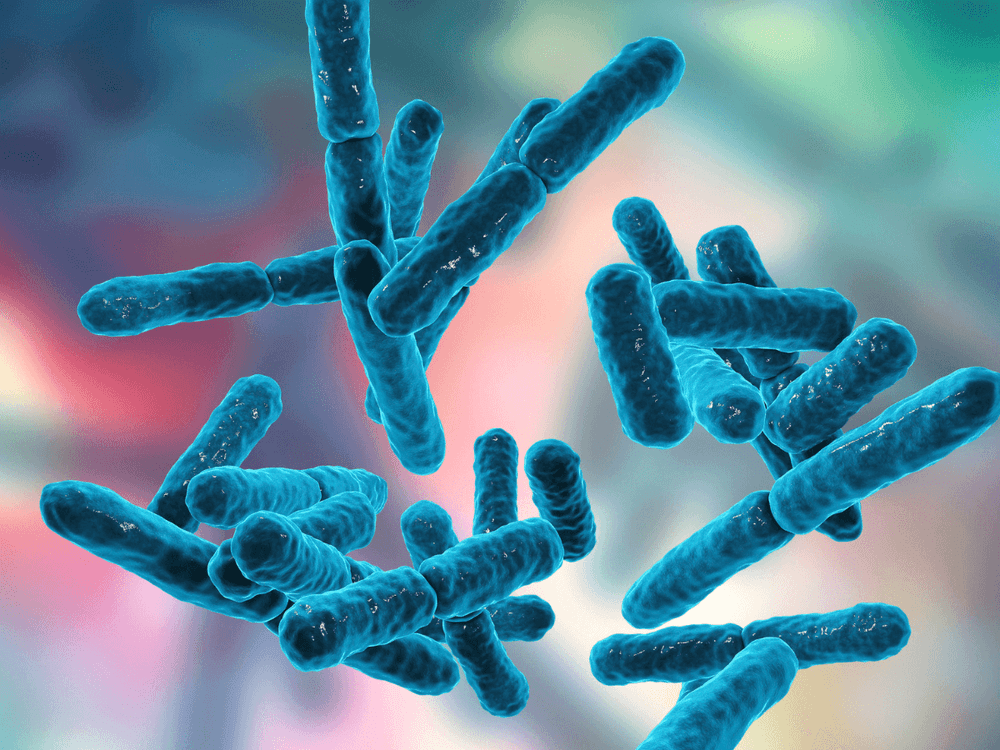
There are different types of probiotics, including probiotic bacteria and yeast (fungi).
There are four different genera of probiotic bacteria that combine a wide variety of species: lactobacilli, bifidobacteria, streptococci and lactococci. The genera Lactobacilli and Bifidobacteria are most commonly mentioned for our health.
- Lactobacilli:
With more than 120 different species, Lactobacilli are the best-known and best-studied genus. Lactobacillus bacteria produce lactic acid. These species are found in our intestines, as well as in dairy products, but also in fermented foods such as miso or sauerkraut. Here are some of them:
– Lactobacillus gasseri
– Lactobacillus reuteri
– Lactobacillus rhamnosus
– Lactobacillus casei / paracasei
– Lactobacillus plants
– Lactobacillus acidophilus - Bifidobacteria:
These bacteria occur naturally in our digestive system and breastfeeding promotes their colonization. Here are the most famous species:
– Bifidobacterium bifidum
– Bifidobacterium infantis
– Bifidobacterium lactis
– Bifidobacterium longum - Finally, among the yeasts, Saccharomyces cerevisiae with its variety Saccharomyces boulardii is the most commonly used species. These yeasts are found in our digestive system and especially in the intestines.
The benefits of probiotic treatments
Under the influence of various lifestyle factors (stress, poor diet, lack of sleep, physical activity, etc.), our different flora can become unbalanced and cause inconvenience.
Scientific studies have shown that taking probiotic treatments helps improve the balance of our different microbiota, especially our gut microbiota, which plays an important role in our body on several levels: our digestive health, the effectiveness of our immune defenses, our mental health, our metabolism, the control of our weight…
Here are the main benefits of probiotic treatments:
– Improve digestion and digestive comfort
– Regulate transit
– Fight against chronic constipation
– Quiet episodes of diarrhea
– Strengthening the natural defenses
– Relieve anxiety and depression and better manage stress
– Control your weight better
– Promote urinary tract health
– Promote vaginal health
Probiotics and natural defenses: Discover our article on natural solutions to strengthen our immunity.
How to choose the right probiotics?
Depending on your needs, a healthcare professional such as your pharmacist can help you choose the right probiotic.
Quality probiotics identify the strains used by stating:
– the species: for example Lactobacillus,
– followed by the genus: Lactobacillus gassseri,
– followed by a number that precisely identifies the strain used: Lactobacillus gasseri CNCM I-5076.
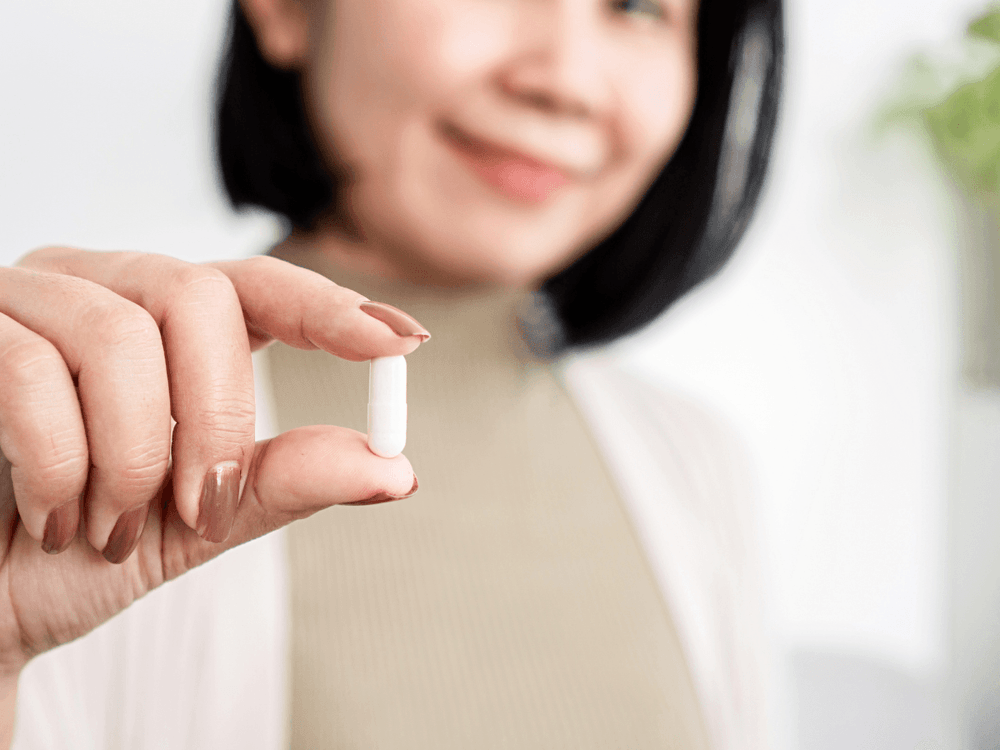
The search for probiotics in enteric-coated capsules is also a guarantee of effectiveness, because when the bacteria reach the stomach they are in an acidic environment that affects their survival. Enteric-coated capsules protect the bacteria in the stomach so that they reach their place of action alive and unharmed, especially in the intestines.
How long does a probiotic treatment last?
The length of a probiotic regimen varies depending on the problem being treated. Your healthcare professional can tell you this duration.
In clinical trials, it is generally accepted that a probiotic regimen must be administered over a period of 1 to 3 months and continuously to be effective. This is the time it takes for bacteria to colonize at their site of action. The speed at which benefits occur may vary from person to person. An extension beyond 3 months is also possible. If in doubt, it is recommended to seek the advice of a pharmacist or other healthcare professional.
In addition to a probiotic treatment, it is interesting to support our intestinal flora with foods with prebiotic effects. Prebiotics serve as “food” for probiotic bacteria, enabling the development of “good bacteria” that have a positive effect on our health. Fiber in fruits and vegetables is an excellent source.