
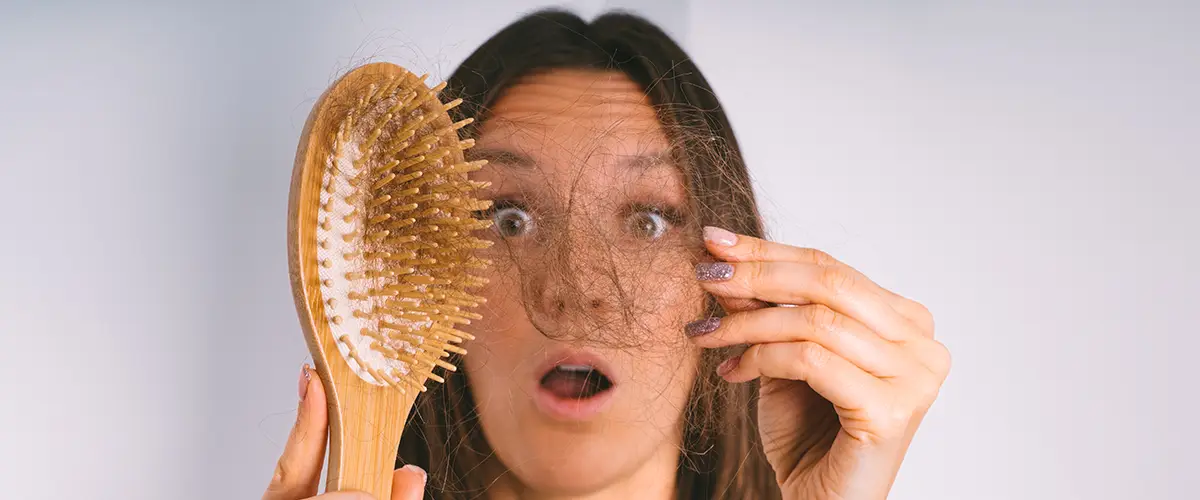
Stress and hair loss
The Hair loss is a common problem that affects many people. Among the many possible causes of this problem, stress plays a significant and often underestimated role. We will examine the connection between stress and hair loss in depth and offer effective strategies for coping and preventing it. This article is aimed at beginners and offers you practical advice and valuable information to better understand and combat stress-related hair loss.
Understanding the connection between stress and hair loss
The connection between stress and hair loss is both complex and multifactorial. When we are exposed to prolonged stress, our body responds by releasing hormones, particularly cortisol. These hormones can disrupt the hair growth cycle in several ways:
- Disturbance of the hair cycle : Cortisol can cause hair to enter the resting phase (telogen phase) prematurely, leading to excessive hair loss.
- Vasoconstriction : Chronic stress can lead to vasoconstriction, i.e. a narrowing of the blood vessels. This reduces the blood supply to the scalp, depriving the hair follicles of important nutrients they need for healthy hair growth.
- inflammation : Stress can also increase inflammation in the body, which can negatively impact hair follicles and affect hair health.
Signs of stress-related hair loss
It’s important to recognize the specific signs of stress-related hair loss so you can respond appropriately. Here are the main indicators:
- Diffuse hair loss : Unlike androgenic baldness, which manifests itself in sparse areas, stress-related hair loss often results in diffuse hair loss throughout the scalp.
- Thinner hair : Under stress, hair can become thinner and more brittle, leading to a noticeable reduction in hair density.
- Volume loss : Stress affects not only the density but also the texture and volume of hair, which can become flat and lifeless.
- Stunted growth : Stress can slow hair growth, prolonging hair loss periods and slowing regrowth.

Strategies to manage stress and prevent hair loss
Fortunately, there are several effective strategies for managing stress and preventing hair loss. Here are some practical tips to help you maintain the health of your hair even during times of intense stress:
- Practice stress management techniques : Relaxation is important to counteract the negative effects of stress. Techniques such as meditation, deep breathing, and wellness massages can help reduce stress and promote a state of calm and well-being.
- meditation : Meditation can be an effective way to calm the mind and reduce stress. Guided meditation apps like Headspace or Calm can get you started. Try meditating for at least 10 minutes every day to see the beneficial effects.
- Deep breathing : Deep breathing can help relieve stress instantly. Practice simple exercises like four-count breathing (inhale for 4 seconds, hold for 4 seconds, exhale for 4 seconds, and hold again for 4 seconds).
- Wellness massages : Massages can not only relax muscles but also reduce cortisol levels in the body. Massaging the scalp with essential oils like lavender or rosemary can stimulate blood circulation and promote healthy hair growth.
- Adopt a healthy lifestyle : A balanced diet rich in essential nutrients such as proteins, vitamins and minerals is crucial for hair health. In addition, regular physical activity helps to reduce stress and improve blood circulation, including to the scalp.
- Eat : Eat foods rich in iron, zinc, vitamins A, C, D and E. Foods like spinach, nuts, seeds, oily fish and eggs can provide the nutrients needed for healthy hair.
- Hydration : Drinking enough water is essential for maintaining overall health and hair health. Make sure you drink at least 8 glasses of water per day.
- Exercise : Regular exercise helps reduce stress and improve blood circulation. Activities such as yoga, brisk walking, or cycling can be particularly helpful.
- Avoid harmful habits : Habits like smoking can worsen stress and contribute to hair loss. Therefore, it is important to avoid these behaviors to protect the health of your hair.
- Smoke : Smoking can restrict blood flow to hair follicles and increase oxidative stress, which can damage hair.
- alcohol : Excessive alcohol consumption can also negatively impact hair health by drying out the body and disrupting hormonal balance.
- Use appropriate products : Choose hair products that are gentle and suitable for your hair type. Avoid aggressive treatments such as frequent coloring, perming, or chemical straightening, as these can damage hair already weakened by stress.
- Gentle shampoos and conditioners : Use products without sulfates, parabens and silicones. Look for natural ingredients like aloe vera, chamomile, and argan oil.
- Natural treatments : Homemade hair masks made with ingredients like coconut oil, honey, and avocado can nourish and strengthen hair.
- Consult a hair doctor : If hair loss persists despite your efforts, it is advisable to consult a dermatologist or trichologist. These professionals can assess your situation and suggest appropriate treatments, such as topical medications, nutritional supplements, or hair stimulation therapies.
- Professional assessment : A dermatologist or trichologist can perform a detailed analysis of your scalp and hair to determine the exact cause of hair loss.
- Medical treatments : Depending on the diagnosis, treatments such as minoxidil, platelet-rich plasma (PRP) injections, or laser therapies may be offered.
More tips to prevent hair loss
In addition to the above strategies, here are some additional tips to prevent hair loss and promote healthy growth:
- Gentle hair care : Brush your hair gently and use soft-bristled brushes to avoid hair breakage. Avoid pulling or styling your hair too tightly.
- Protects hair while sleeping : Use a silk or satin pillowcase to reduce friction and prevent hair breakage overnight.
- Scalp hydration : Apply moisturizing oils or serums regularly to keep your scalp healthy and well-nourished.
- Avoid excessive heat : Limit the use of heated tools such as hair dryers, straighteners, and curling irons. If you must use them, always apply heat protectant.
Diploma
Stress-related hair loss is a common but manageable problem. Understanding the connection between stress and hair loss and using stress management strategies can help protect and improve the health of your hair. Maintaining a healthy lifestyle, avoiding harmful habits, using appropriate products and consulting hair health experts are all measures that can make a significant difference. Remember that every person is unique and what works for one may not work for another. Feel free to try different approaches to find what works best for you.
Ultimately, taking care of your mental health is just as important as taking care of your physical health. By effectively managing stress, you can not only improve the quality of your hair, but also your general well-being. Remember: Healthy hair starts with a healthy mind.
With these tips and tricks you will be better equipped for battle Hair loss and maintain healthy, vibrant hair, even in the face of the challenges of daily stress.