The best cooking methods for your health
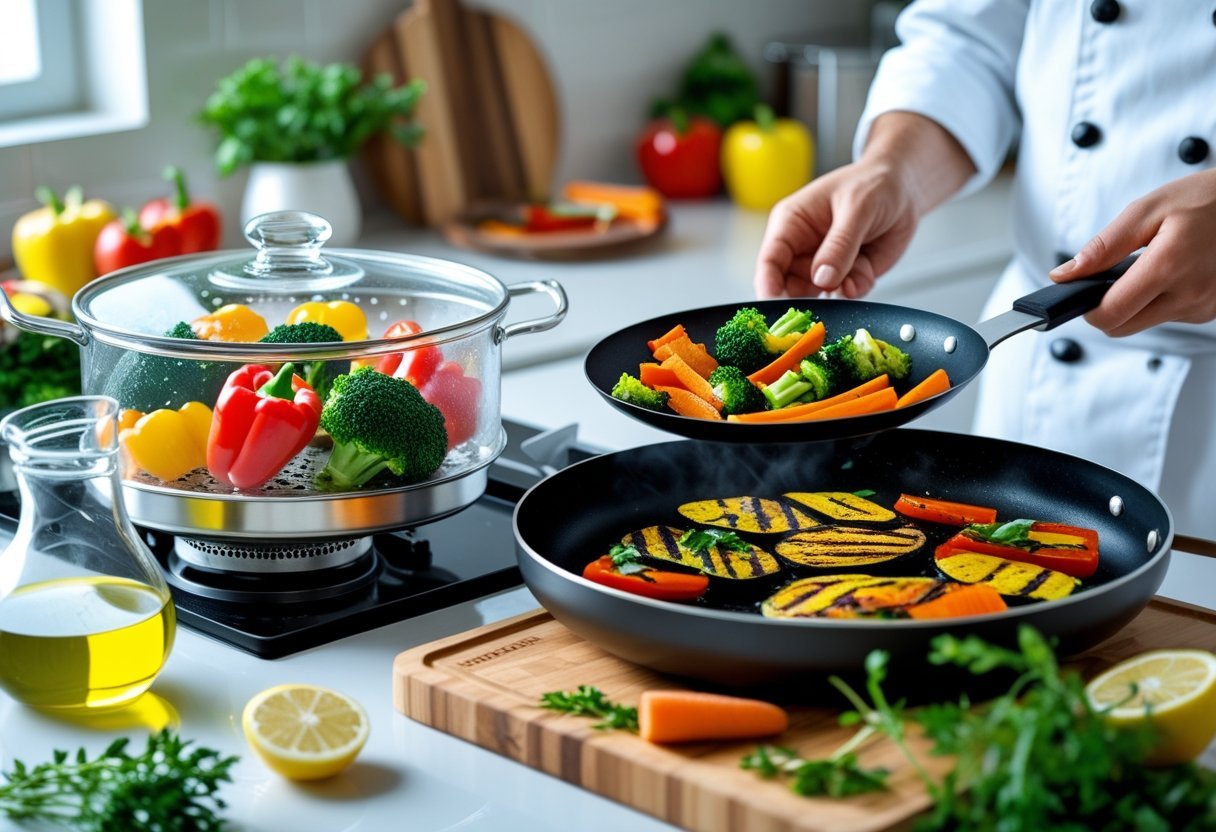
The way you prepare your food has a direct impact on its nutritional value and your health. By using healthy cooking methods such as steaming, boiling or baking, you can further preserve the nutritional value of foods while limiting the addition of fat.. Taking care of your diet starts with how you prepare your meals.
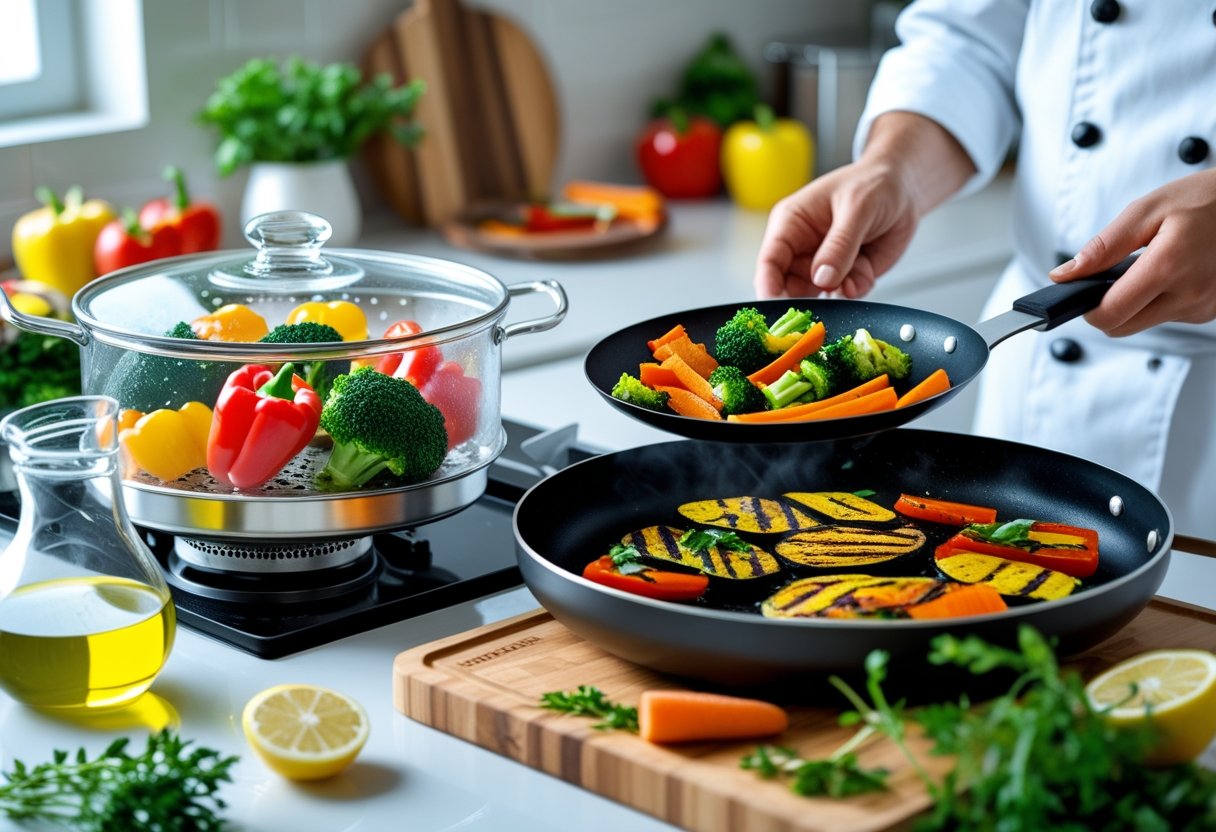
You’re probably wondering how you can better choose between different cooking methods to promote healthy eating. Learn more about the pros and cons of steaming, boiling, frying, or even microwave cooking to better understand how you can care for your health and that of your family. Change your habits to enjoy tasty and beneficial cuisine thanks to validated methods adapted to all lifestyles, as explained in this practical guide different cooking methods.
Principles of healthy cooking and methods of maintaining health
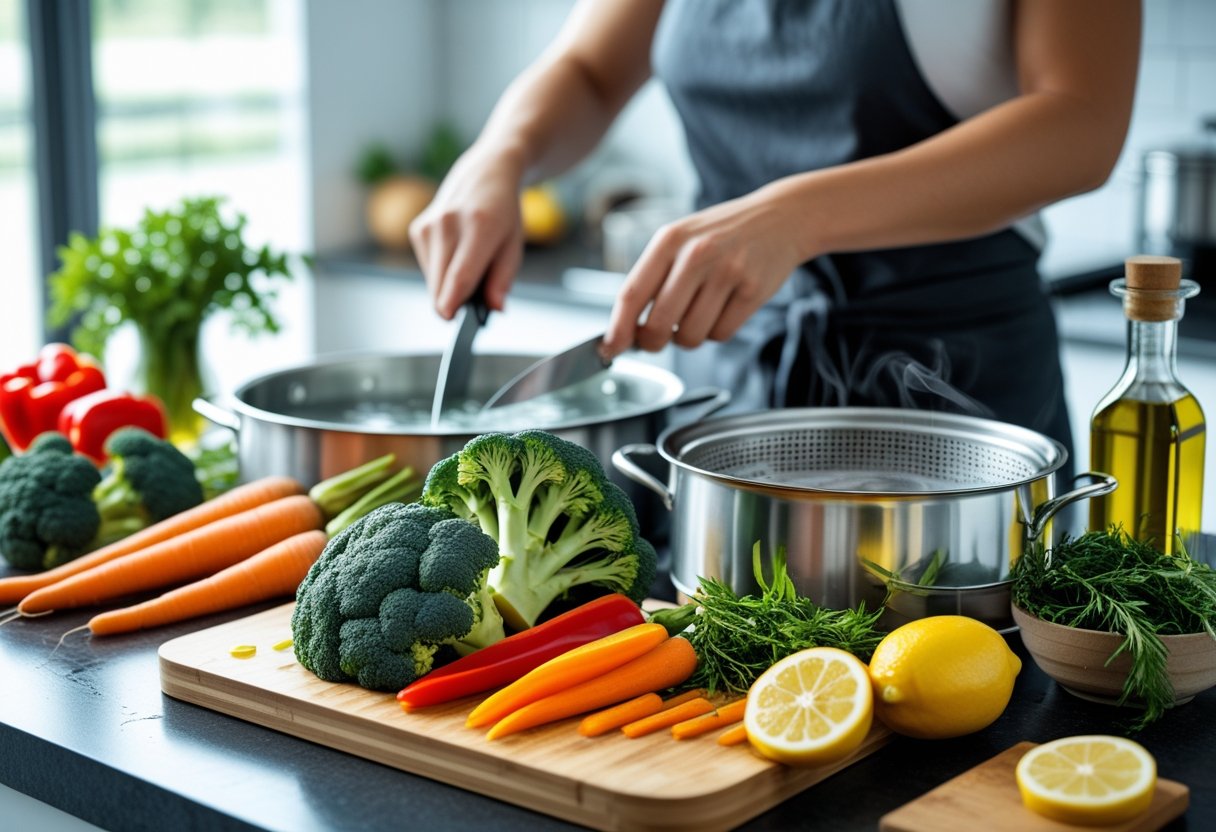
Cooking plays a crucial role in the nutritional quality and digestibility of your meals. Applying the right processes can preserve important nutrients while optimizing the taste of food.
Preservation of essential nutrients
Vegetables, legumes and seafood are naturally rich in vitamins, minerals, trace elements and antioxidants. However, these are sensitive to heat, water and oxygen. To limit nutrient loss, choose methods such as gentle steaming with a bamboo or stainless steel basket.
Steaming limits the leaching of water-soluble nutrients and prevents the destruction of heat-sensitive vitamins. Use a small amount of fat to preserve nutritional value. Lean meat also loses fewer minerals when cooked at low temperatures.
Using high-quality vegetable oils such as olive or canola oil when cooking at low temperatures helps maintain the bioavailability of fat-soluble nutrients. Avoid high temperatures, which can cause harmful chemical reactions and reduce nutritional value.
Gentle, low-fat cooking
Gentle cooking methods such as steaming or steaming preserve moisture and protect the natural taste of food. Vegetables, lean meats and legumes particularly benefit from these techniques as they minimize the addition of fat.
For cooking at low temperatures, prefer extra virgin olive oil, rapeseed oil or sunflower oil. These oils better preserve essential fatty acids and reduce the formation of unwanted compounds.
To limit fat intake, avoid frying and cooking over high heat. Discover cooking in foil, which allows you to steam in your own juices, supporting a balanced diet without adding unnecessary oils.
Influence of cooking techniques on well-being
Choosing healthy cooking methods directly contributes to your daily well-being. Proper cooking of foods promotes digestibility, especially legumes and lean meats, while avoiding a feeling of heaviness.
Gentle steam cooking not only preserves the nutritional values, but also supports the digestive balance. By minimizing unwanted chemical reactions, you limit the production of substances that irritate the digestive system or metabolism.
Finally, different cooking methods and the use of fresh ingredients allow you to maintain a diet that is both rich and tasty. For practical information on healthy cooking methods, see this article healthy cooking methods.
Comparison of the main cooking methods and practical advice
Different cooking methods affect nutrient retention, taste and the formation of potentially harmful compounds. The choice of cooking equipment and temperature management are crucial to your health and the quality of your meals.
Steaming, boiling and poaching
Steaming is one of the most recommended methods to preserve the vitamins, minerals and natural flavor of food. You don’t need to add fat, which helps limit calorie intake and prevent breakdown of delicate fats. Devices such as steam baskets and special casserole dishes are suitable.
Poaching, which involves gently cooking food in simmering liquid, also helps reduce nutrient loss while preserving texture. You can also poach the food in a broth flavored with spices and herbs to enrich the flavor.
Cooking in water, especially if the water is then thrown away, can leach water-soluble nutrients such as vitamin C or B vitamins. Choose to reuse the cooking water in the soup to limit this waste. You can find out more about the benefits of cooking with steam or water here Vidal.
Cook in the oven, plancha and foil
The oven offers several options: roasting, slow cooking or in foil. When roasted, the tenderness of the animal proteins is retained and complex flavors are created thanks to the Maillard reaction. Cooking in foil and wrapping your food in parchment paper retains moisture and concentrates the natural flavors.
The plancha allows for quick cooking at high temperatures with little or no fat. Be careful not to exceed the smoke point of oils to avoid the formation of harmful compounds. By using herbal marinades, potentially harmful substances are reduced and the taste is enhanced.
Don’t hesitate to vary the cooking equipment: non-stick pans for easy cooking, cast iron casserole dishes for long cooking. Prefer gentle modes to limit the formation of acrylamide and unwanted substances caused by excessive browning. Further details on suitable equipment and techniques can be found at Gerbeaud.
Wok cooking and quick and healthy alternatives
The wok is ideal for quickly frying vegetables, meat or fish, while preserving the texture and taste. Using small amounts of oil limits grease separation and the risk of formation of harmful compounds associated with overheating. You can add spices and herbs at the end of cooking to enhance the flavor without the fat.
For quick and even heating, prefer a steel or cast iron wok. Food stays crispy and the loss of heat-sensitive nutrients is reduced. Alternatives include cooking in a nonstick pan, which cooks quickly without excess oil.
Microwave pressure cooking is also suitable for reheating or cooking at low temperatures while limiting the deterioration of nutritional values. For more advice on different methods, see Chef’s knife.
Effects of high temperature cooking and pollutants
Cooking at high temperatures, such as grilling, grilling or intensive frying, can produce toxic substances such as acrylamide or polycyclic aromatic hydrocarbons. The Maillard reaction, which is responsible for browning and flavor, can also lead to the formation of carcinogenic compounds if the temperature is too high or cooked for a long time.
The choice of cooking equipment influences the formation of these substances. Avoid damaged utensils and monitor the condition of non-stick coatings. Limit direct exposure to flames, do not burn charred parts, and do not exceed the smoke point of oils.
Use marinades with herbs and spices, which recent research shows limit the production of harmful compounds. As recommended, favoring gentle cooking will help maintain your health in the long term Doctissimo.