the key to a more peaceful everyday life
Anxiety is a common phenomenon in our modern society, a state of constant stress that can negatively impact mental and physical health. While medication can be a solution for some, more and more people are looking for natural alternatives to find serenity in everyday life. This article explores various natural and healthy lifestyle techniques to manage anxiety in a more gentle and body-friendly way.
Conscious breathing and mindfulness meditation
The conscious breathing is a simple but effective technique for calming the mind and relieving symptoms of anxiety. Taking the time to breathe deeply and focus on the air moving in and out of the body helps calm the nervous system and relieve tension.
The Mindfulness meditationis again to focus on the present moment without judgment. It allows you to stop being overwhelmed by anxious thoughts and focus your attention on the “here and now”. Many studies show that regular meditation practice can significantly reduce anxiety by changing the way the brain responds to stress.
Regular physical exercise
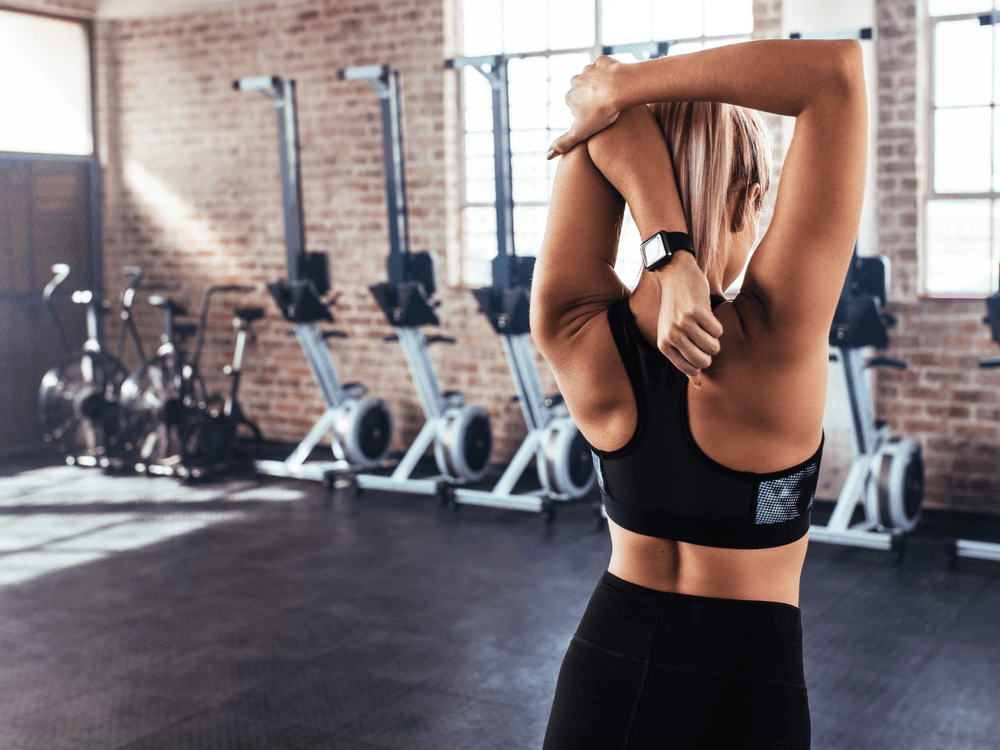
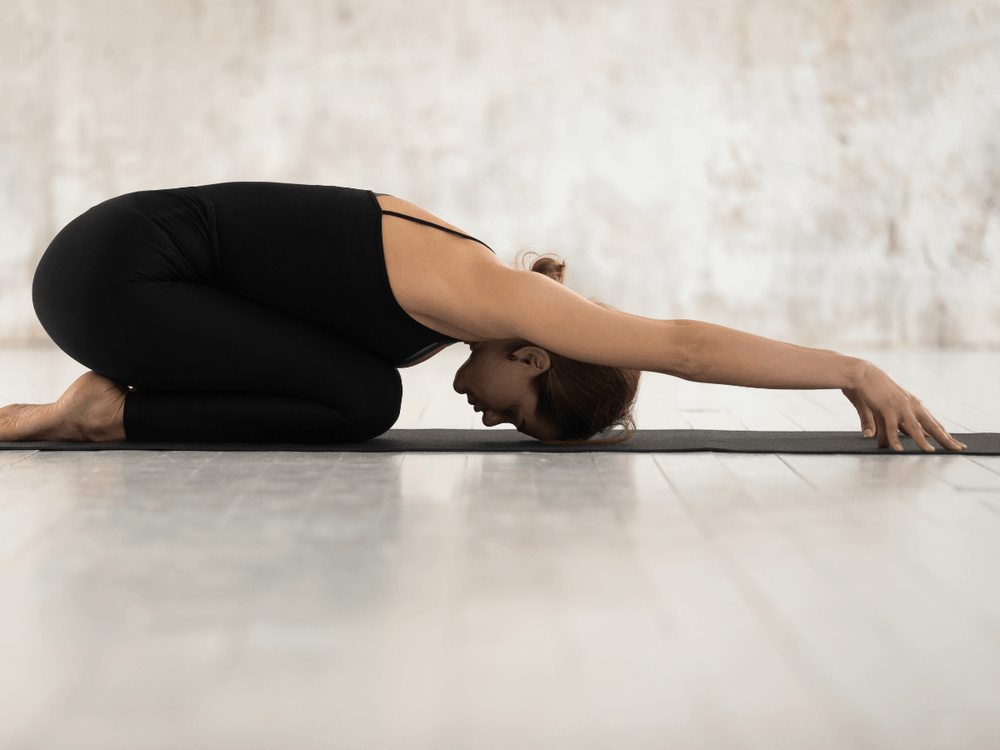
Physical exercise is not only good for the body, but also for the mind. When we exercise, our body releases endorphins. These hormones help improve mood and reduce feelings of anxiety. Whether it’s yoga, brisk walking, swimming or jogging: it’s important that you choose an activity that you enjoy and that you can do regularly.
The yoga and the Tai chiThese are particularly forms of exercise that combine gentle movements with controlled breathing and thus have a dual effect of reducing physical and mental stress.
A balanced, nutrient-rich diet
Diet plays a key role in our mental well-being. Certain nutrients are essential for brain health and can influence our mood. For example, a lack of magnesium, omega-3 and B vitamins can contribute to the development of anxiety.
- Omega-3 Found in fatty fish (salmon, sardines, mackerel), oilseeds and certain oils (linseed, camelina, hemp, rapeseed), help reduce inflammation and support proper brain function.
- magnesiumoften referred to as the “anti-stress mineral,” is essential for regulating neurotransmitters. It is mainly found in green vegetables, nuts, seeds and dark chocolate.
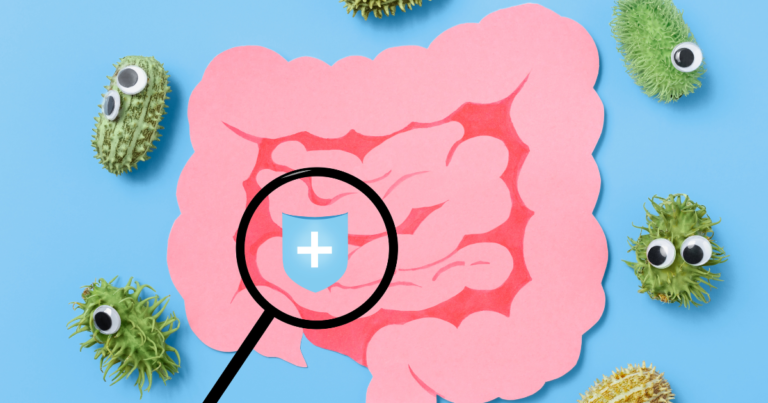
- Probiotics and a diet rich in fiber help maintain good intestinal health. The connection between the gut and the brain, known as the “gut-brain connection,” shows that the health of the digestive system has a direct impact on our emotions and fears.
Phytotherapy: plants that calm
Certain plants have recognized properties for calming the nervous system and reducing anxiety. We consider the most effective:
- valerian : Often used for its calming properties, helps calm anxiety and promotes restful sleep.
- The passion flower : Traditionally used to combat anxiety and insomnia, it acts as a natural relaxant.
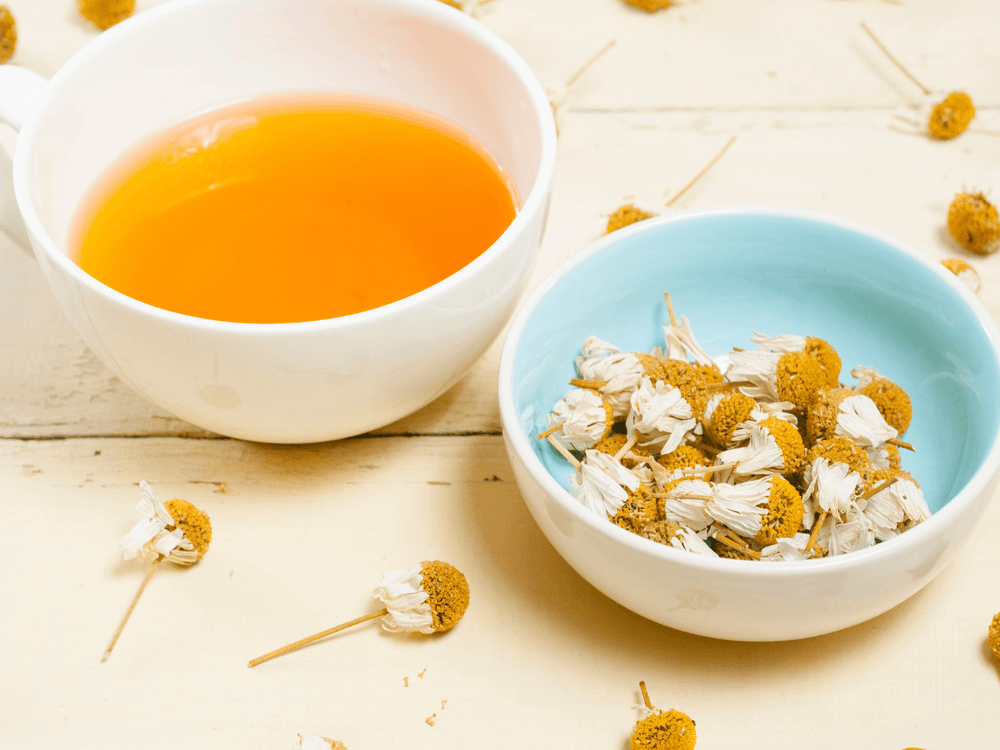
- chamomile : Ideal as an infusion, has calming and relaxing properties, perfect for relieving mild anxiety symptoms.
- St. John’s wort : Known for its effect on mild to moderate depression, it can also have a positive effect on anxiety, but its use requires special monitoring due to its interactions with many medications.
Essential Oils: Aromatherapy to calm the mind
Aromatherapy is another effective natural method for reducing anxiety. Some essential oils have relaxing properties and can be diffused or applied topically.
- Lavender essential oil is one of the most popular due to its calming properties. It helps reduce stress and promotes deep sleep.
- Roman chamomile essential oil is also known for its calming and anti-anxiety effects.
- Frankincense essential oil Helps balance emotions and relieve mental tension.
- citrus essences (Lemon, Bitter Orange Petit Grain, Tangerine, Sweet Orange, etc.) are also known to have a relaxing effect thanks to the coumarins they contain and have an anti-stress and anti-stress effect.Fearcalming.
You can use these oils as a diffusing oil at home or apply them diluted in a vegetable oil to your wrists or neck.
Sleep management: Finding a restful rhythm
Lack of sleep or poor sleep quality can make anxiety worse. Appropriate sleep hygiene is therefore essential. To do this, try to establish a relaxing routine before bed: turn off screens an hour before bedtime, avoid stimulants such as caffeine at the end of the day, and maintain a calm and sleep-friendly atmosphere in your bedroom (comfortable temperature, no strong lights).
If you have trouble falling asleep, infusions of calming plants such as lemon balm or chamomile can promote relaxation.
Progressive muscle relaxation techniques
Progressive muscle relaxation is a method in which each muscle group in the body is relaxed individually. This technique helps reduce physical and mental tension by focusing on relaxing specific areas of the body.
This method is often used in behavioral therapies to help people better manage their fears by improving the mind-body connection.
Reconnect with nature
Spending time in nature has a calming effect on the mind. Several studies show that taking a walk in a park, spending time near a lake, or taking a hike in the forest can lower cortisol levels (the stress hormone) and promote feelings of calm.
The SilvotherapySpending time in contact with trees can be particularly helpful for people with anxiety. This technique, very common in Japan under the name “forest bathing,” aims to restore mental and emotional balance.
Journaling: externalizing your emotions
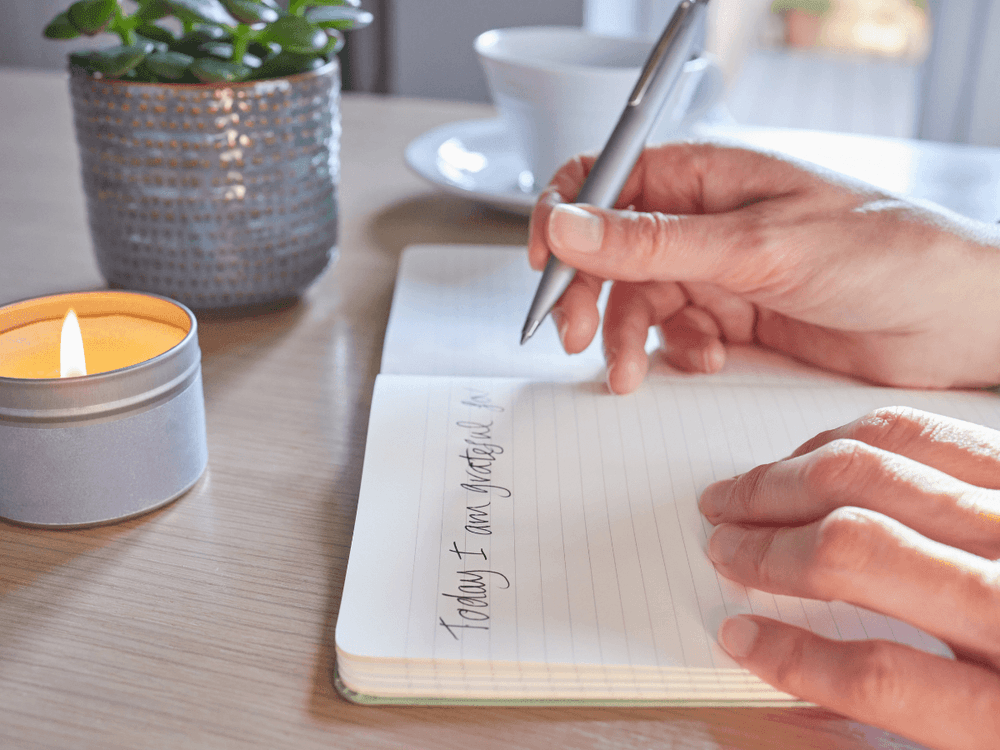
Writing down your thoughts and feelings on paper can be a great way to reduce anxiety. Journaling allows us to take a step back from what is stressing us out and freely express repressed feelings. It is advisable to write every day, even for just a few minutes, in order to better recognize anxiety triggers and deal with them more calmly.
The importance of social relationships and support
Social relationships play a fundamental role in managing anxiety. Talking about your worries with trusted friends or loved ones can not only help ease the burden of anxiety but also provide emotional support.
Even engaging in simple social activities, such as having coffee with a friend or joining a shared interest group, can help you feel less isolated and reduce anxiety.
To combat anxiety naturally, you need to take care of your body and mind. By living a healthy lifestyle, using natural solutions and paying attention to your needs, it is possible to return to a calmer everyday life. The techniques above require personal commitment, but can profoundly change your relationship with anxiety and stress. Take the time to experiment with different techniques to find which ones work best for you, and remember that small lifestyle changes can make a big difference in managing anxiety on a daily basis.